Best Cages to Help with Pet Separation Anxiety?

Time:2026-08-19 Author:Henry
0%

Separation anxiety is a common issue for pets, especially dogs. Many pet owners struggle to find solutions that truly help. One question arises: can cages help with pet separation anxiety?

Cages, when used correctly, can provide a safe space for pets. They can create a sense of security. However, if used improperly, they might reinforce anxiety. Choosing the right cage is crucial. A well-sized, comfortable cage can become a pet's haven. It’s important to consider your pet’s personality and needs.

The goal is to ease anxiety, not to increase it. Training and gradual acclimation play essential roles in this process. Some pets may feel trapped in a cage, leading to more distress. Observing your pet’s behavior can guide your approach. Ultimately, understanding your pet's unique needs is vital for managing their anxiety effectively.
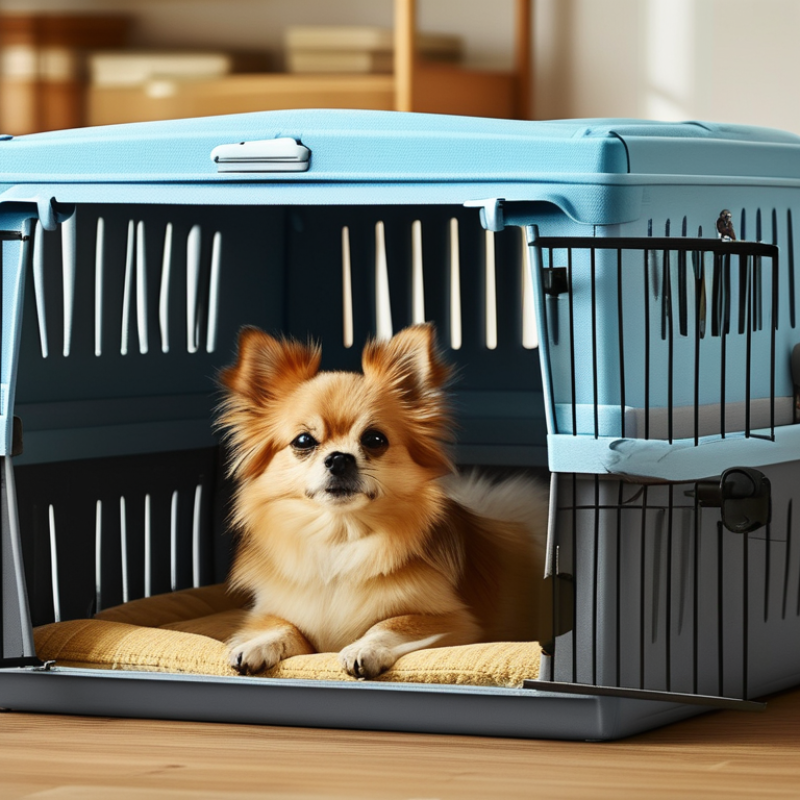
Best Cages to Help with Pet Separation Anxiety?

Types of Cages for Reducing Pet Separation Anxiety

When considering cages for pets suffering from separation anxiety, various options can help. One popular type is the dimensional cage. This is spacious enough for pets to move around comfortably. It allows them to feel secure while minimizing their anxiety. An open design can give a sense of freedom. It might not always be the best choice. Pets need to feel enclosed yet still have room to breathe.

Another effective type is the cozy cave crate. This cage has a smaller, den-like feel. Many pets feel more at ease in such spaces. The enclosed environment mimics a natural habitat. However, some pets may not adapt as quickly to this structure. It's crucial to monitor their reactions initially. You may find they prefer more open options eventually.

Lastly, consider adjustable crates. These can grow with your pet and adapt to changing needs. An adjustable space can provide long-term solutions. Nevertheless, not all pets respond the same way. Each has unique preferences. Regular evaluation and adjustments will help you find the best fit. Your pet's comfort and happiness really matter in this journey.

Features to Look for in Anxiety-Reducing Cages

When selecting a cage to ease pet separation anxiety, focus on comfort and safety. Look for models that allow ventilation. Adequate airflow helps reduce stress by keeping your pet cool and comfortable. Soft bedding inside the cage can create a cozy environment. Consider using calming materials, like blankets, to help your pet feel secure.

Privacy is another crucial factor. A closed or partially covered cage can provide a sense of safety. Pets often seek shelter when feeling anxious. Additionally, size matters. The cage should be spacious enough for your pet to stand, turn, and lie down comfortably. Too small a space can lead to increased anxiety.

Lastly, evaluate the entry type. Cages with easy access doors minimize stress during interactions. Your pet can enter and exit without feeling trapped. A lock mechanism is also vital for safety. Remember, every pet is unique. What works for one might not suit another. Tailoring the cage to individual needs is key. This requires ongoing observation and adjustment.

Best Cage Materials for Comfort and Safety

When choosing the best cage for pets experiencing separation anxiety, material plays a critical role. Metal cages are often the most durable option. They provide security while allowing proper ventilation. However, they may be cold and uninviting. Adding soft bedding can help create a more comfortable environment. Remember, a harsh surface can frighten sensitive pets.

Plastic cages also offer a more enclosed feel. They can make pets feel safe, but airflow might be limited. Some pets prefer the warmth of plastic over a metal structure. Look for models with a secure latching system. This ensures your pet cannot escape if they feel anxious.

Wooden cages can add a cozy touch to your home. They blend well with your decor but are harder to clean. Ensure that the wood is treated and safe for pets. Consider your pet's habits and needs. What works for one may not suit another. Continuous observation is essential. As you experiment with different materials, reflect on your pet’s comfort level.

How to Introduce Your Pet to Their New Cage

Introducing your pet to a new cage can be a crucial step in managing separation anxiety. Start by placing the cage in a quiet, comfortable location. This way, your pet can explore their crate without feeling overwhelmed. Allow them to familiarize themselves with the new environment at their own pace. It’s important to avoid forcing them inside. Instead, encourage exploration by leaving the door open.

Utilize treats to make the cage a positive space. Place their favorite toys or blankets inside to create a sense of security. Spend time near the cage, engaging in gentle playtime. This interaction helps them associate the cage with positive experiences. Experiment with closing the door for short periods while you stay nearby, gradually increasing the duration as your pet becomes more comfortable.

Be mindful of your pet’s reactions. Some may take longer to adapt than others. If your pet shows signs of distress, consider backing off. Observe their body language closely; this can guide your approach. Remember, patience and understanding are vital during this transition. Creating a safe haven in their new cage can help alleviate anxiety over time.

Best Cages to Help with Pet Separation Anxiety

This bar chart illustrates the comfort levels of various cage types that may help alleviate pet separation anxiety. A higher comfort level indicates a more suitable option for pets experiencing anxiety when left alone.

Tips for Using a Cage to Manage Separation Anxiety

Cages can provide a safe space for pets experiencing separation anxiety. Creating a positive environment in the cage is crucial. Begin by making the cage a cozy retreat. Add a soft bed, favorite toys, and an item with your scent. These elements can help pets feel secure while you're away.

Training your pet to use the cage takes time and patience. Start with short durations. Allow your pet to explore the cage at their own pace. Gradually increase the time spent inside while you’re home. If your pet shows signs of stress, backtrack a few steps. Celebrate small victories to build their confidence.

Consistency is key in reducing separation anxiety. Keep a routine that includes cage time. Provide treats when they enter the cage. This can create positive associations. However, be prepared for setbacks. Some pets may find it challenging. Adjusting your approach based on their reactions can lead to better outcomes over time.

FAQS

: What features should I look for in an anxiety-reducing cage?

: Focus on comfort, safety, ventilation, and size. Soft bedding and privacy are important for stress reduction.

Why is ventilation essential in a pet cage?

Adequate airflow helps keep pets cool and comfortable, reducing overall stress levels during their time in the cage.

How can I create a cozy environment inside the cage?

Add soft bedding, familiar toys, and a blanket with your scent to help your pet feel secure and relaxed.

What role does cage size play in reducing anxiety?

A spacious cage allows your pet to stand, turn, and lie down comfortably. A cramped space can increase anxiety.

How important is privacy in a pet cage?

Privacy provides a sense of safety, making pets feel more secure. Closed or partially covered cages can offer this comfort.

What entry features should I look for in a cage?

Choose cages with easy access doors to reduce stress. A secure locking mechanism is also important for safety.

What materials are best for anxiety-reducing cages?

Metal cages offer durability and ventilation, while plastic provides warmth. Wooden cages can be cozy but harder to clean.

How do I train my pet to use the cage?

Start with short periods. Allow exploration, gradually increasing time while ensuring a positive, relaxed experience.

What can I do if my pet shows signs of stress in the cage?

Backtrack to shorter durations and celebrate small successes. Adjust your approach based on your pet's reactions.

How can consistency help manage separation anxiety?

Keep a routine that includes cage time. Use treats to create positive associations, but remain prepared for setbacks.

Conclusion

The article titled "Best Cages to Help with Pet Separation Anxiety?" explores various types of cages designed to alleviate pet separation anxiety and provides essential guidance for pet owners. It discusses features to look for in anxiety-reducing cages, such as comfort, safety, and design elements that create a secure environment for pets. The article also highlights the best materials for cages, emphasizing their role in ensuring the well-being of pets.

Additionally, readers will find practical advice on how to introduce their pets to new cages effectively, which can significantly ease the adjustment period. Tips for managing separation anxiety through cage use are provided, underscoring the importance of creating a positive association with the cage. Overall, the article emphasizes that with the right choices and techniques, cages can help with pet separation anxiety, offering a solution to enhance both pets' and owners' quality of life.

Henry

Henry

Henry is a dedicated marketing professional with a profound expertise in the company's offerings. With years of experience in the industry, he possesses an impressive understanding of the market dynamics and consumer behaviors that drive success. Henry is committed to sharing his insights through......