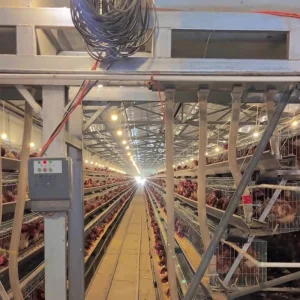
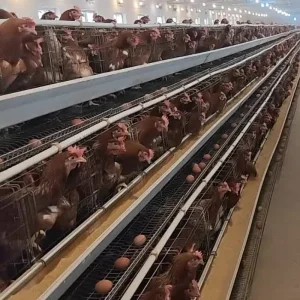
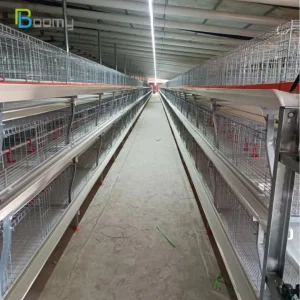
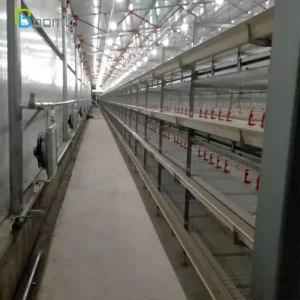
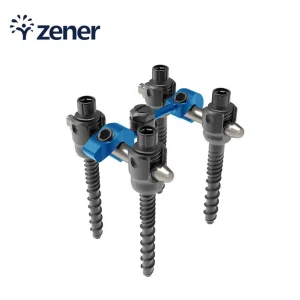
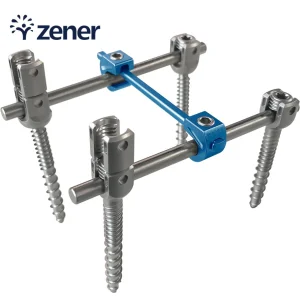
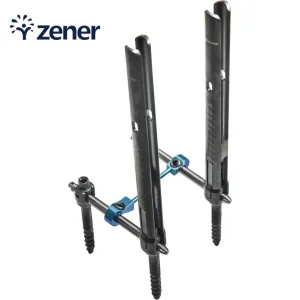
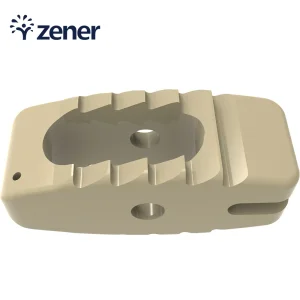
In modern structural engineering and precision manufacturing, the term modular expandable cage system represents a revolutionary paradigm shift. Instead of relying on static, single-use structures, contemporary sectors—ranging from advanced agricultural operations to high-stakes orthopedic bio-implants and commercial pet housing—leverage expandable architectures to optimize space, guarantee structural integrity, and facilitate phased capital investments.
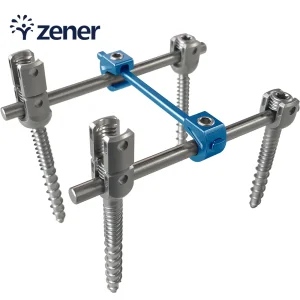
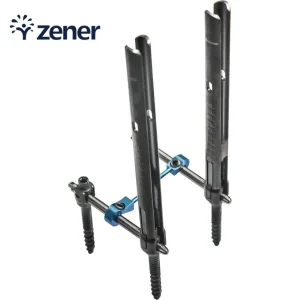
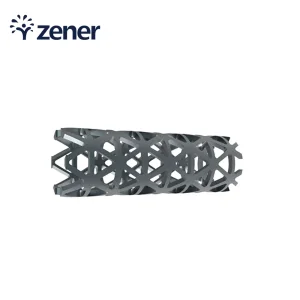
The core value of modular expandability lies in its architectural elasticity. In agricultural layouts, operations can scale up production seamlessly without completely overhauling their existing footprints. In clinical orthopedics, expandable spinal interbody fusion cages adjust dynamically to patient-specific anatomical requirements, improving mechanical stability and alignment. Meanwhile, in commercial domestic pet care, modularity enables facilities to quickly adjust to changing animal populations, reducing shipping volume and offering significant assembly cost reductions.
"Modularity minimizes initial capital expenditure (CAPEX) while establishing a solid, upgradeable foundation for future operational scale-up, regardless of the application field."
Enables businesses to start with modest configurations and scale up dynamically as demand, animal volume, or surgical cases require.
Reinforced modular junctions ensure that the overall cage setup remains rigid and secure, avoiding structural collapse under stress.
Knock-down flat-pack designs drastically reduce international shipping costs, ensuring efficient ocean freight and simple final assembly.
Across global supply chains, the manufacturing hubs of East Asia, particularly Foshan, China, serve as the center of precision metallic fabrication. Leading entities like Foshan Brisk Pet Co., Ltd. represent this manufacturing shift, utilizing automated precision welding, environmentally friendly anti-corrosion coatings, and modular engineering principles to serve international distribution networks in North America, Western Europe, and Australia.
Concurrently, the clinical demand for titanium-coated orthopedic interbody cages has surged in the medical device sector. By maintaining rigorous, cleanroom-grade manufacturing alongside heavy-duty commercial metal cage fabrication, modern industrial parks have built specialized ecosystems. These centers supply dual-market configurations: advanced, bio-compatible orthopedic cages for human spinal reconstruction, and robust, galvanically protected wire mesh structures for livestock and companion animals.
The operational life of a modular cage system is defined by its material processing. For livestock and pet enclosures, hot-dip galvanization and heavy-duty powder coatings prevent oxidation in high-humidity environments. In medical applications, titanium-plasma-sprayed surfaces or high-performance PEEK structures support bone integration, demonstrating how specialized surface coatings are optimized for different clinical and industrial environments.
Foshan Brisk Pet Co., Ltd. is a professional Pet Cages & Houses Manufacturer specializing in the design and production of high-quality indoor and outdoor pet enclosures and durable dog & cat housing solutions for global markets. With deep expertise in pet housing engineering and industrial metal fabrication, the company delivers secure, practical, and highly scalable habitats for veterinary clinics, rescue shelters, commercial breeders, and residential settings alike.
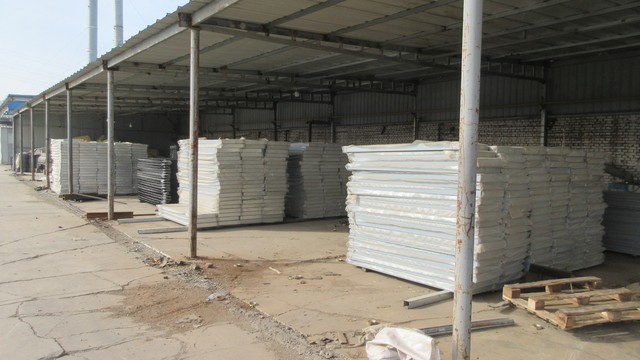
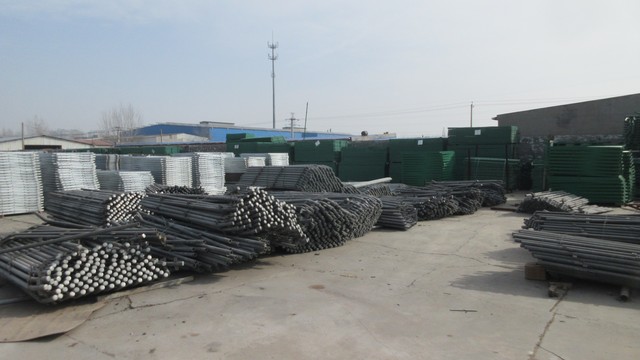
The production lines in Foshan feature advanced welding setups, automated wire bending systems, and specialized powder-coating booths. Their modular product catalog includes indoor pet suites, weather-resistant outdoor housing, foldable pet crates, heavy-duty run pens, and multi-level cat retreats. Below is an overview of the manufacturing floor, quality control processes, and raw materials used to construct these systems.
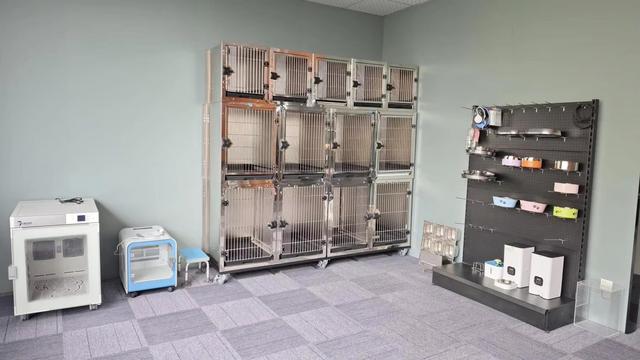
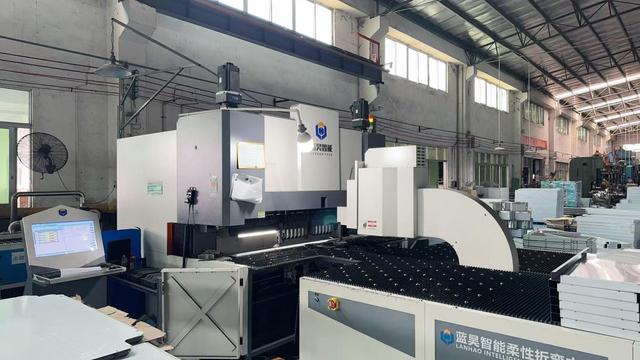
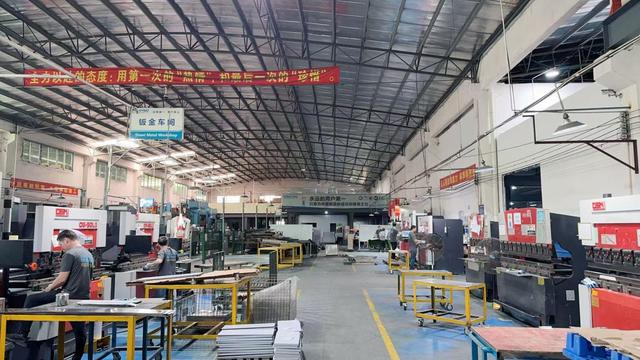
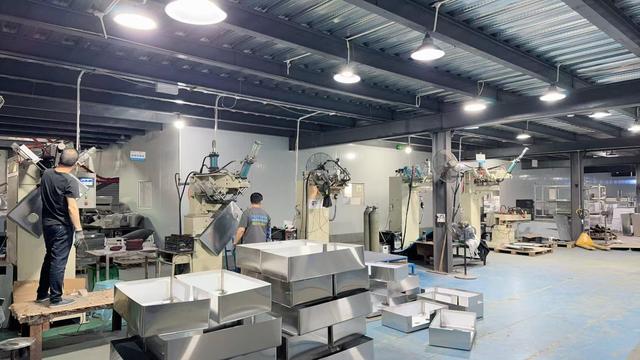
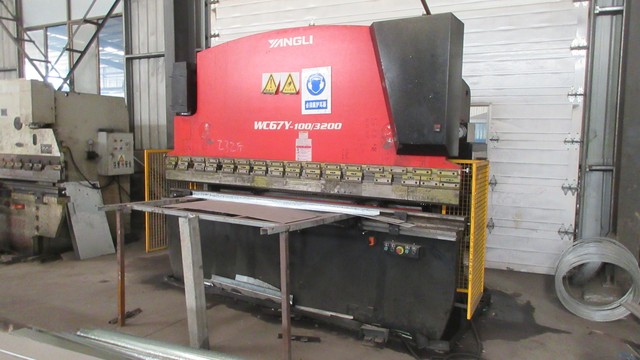
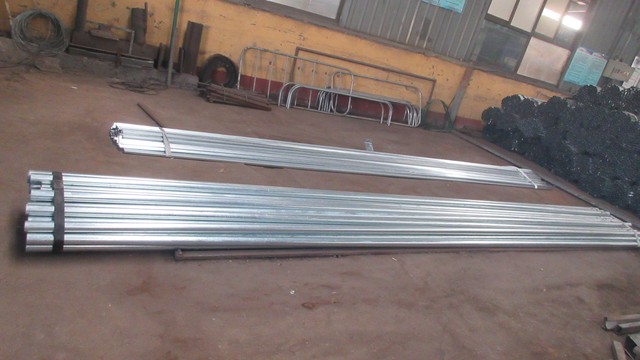
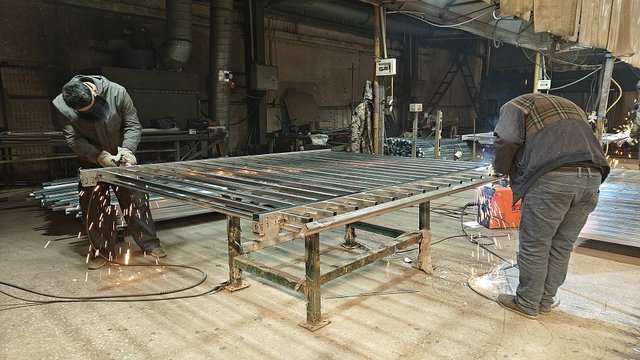
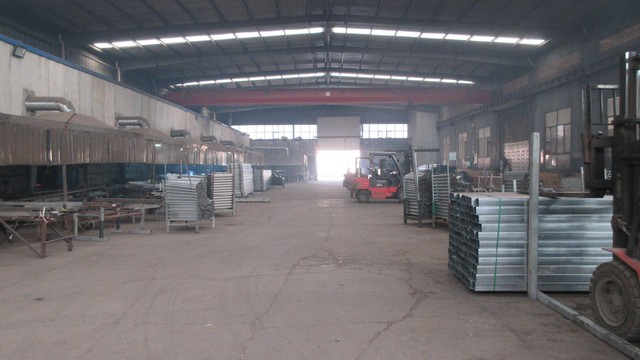
Operating in a global market requires strict adherence to localized regulatory frameworks. In agricultural and companion animal housing, compliance focuses heavily on animal welfare guidelines (such as the EU's "caged to cage-free" transitions, AWIC standards, and USDA parameters). These require specific interior clearances, non-toxic finishes, and emergency release mechanisms.
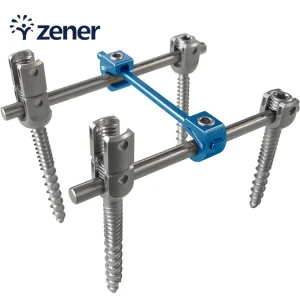
For clinical spinal implants, regulatory pathways are much more demanding. Manufacturing must comply with ISO 13485, FDA 510(k) clearances, and CE mark certifications. Materials like PEEK and medical-grade titanium (Ti-6Al-4V ELI) undergo extensive testing for fatigue life, bio-compatibility, and mechanical wear. Modern manufacturers ensure complete material traceability, from raw ingots to the finished surgical implants shipped worldwide.
Additionally, our global localization program provides comprehensive customer support, including pre-cleared customs documentation, responsive local logistics channels, and tailored technical installation guides. This helps international buyers navigate import compliance requirements quickly and easily.
The design of modular expandable cage systems is evolving rapidly. Over the next decade, three major development tracks are set to reshape agricultural, companion animal, and bio-medical engineering:
Integrating load sensors and environmental monitoring chips into modular farm systems allows operators to track stress patterns and microclimates in real time, preventing structural failures before they occur.
Research is shifting toward high-strength bio-resorbable polymers for spinal fusion. These materials maintain stability throughout the healing process and gradually dissolve once the bone structure is established.
Applying aerospace-grade carbon fiber composites to heavy-duty pet and agricultural enclosures will provide high tensile strength at a fraction of the weight, eliminating rust and simplifying setup.
 Brisk Pet