Cats are fascinating creatures with unique behaviors. One common behavior that intrigues many cat owners is their preference for small enclosed spaces. You may wonder, "why do cats prefer small enclosed spaces?" This instinctual behavior can be traced back to their wild ancestors. Small spaces provide cats with a sense of security and shelter, mimicking caves or dens where they would hide from predators.
Additionally, these cozy spots offer warmth and comfort. Cats often seek out confined areas to feel safe while they rest or sleep. In a busy household, an enclosed space can also reduce stress. It allows them to retreat from the hustle and bustle. These behaviors highlight their innate need for control over their environment.
Understanding these preferences can help cat owners create a more enriching home environment. You may find that your cat gravitated toward boxes or bags, finding joy in the confinement. This connection to their primal instincts is both comforting and essential for their well-being. Reflecting on these habits can lead to deeper insights into your feline companion's needs.
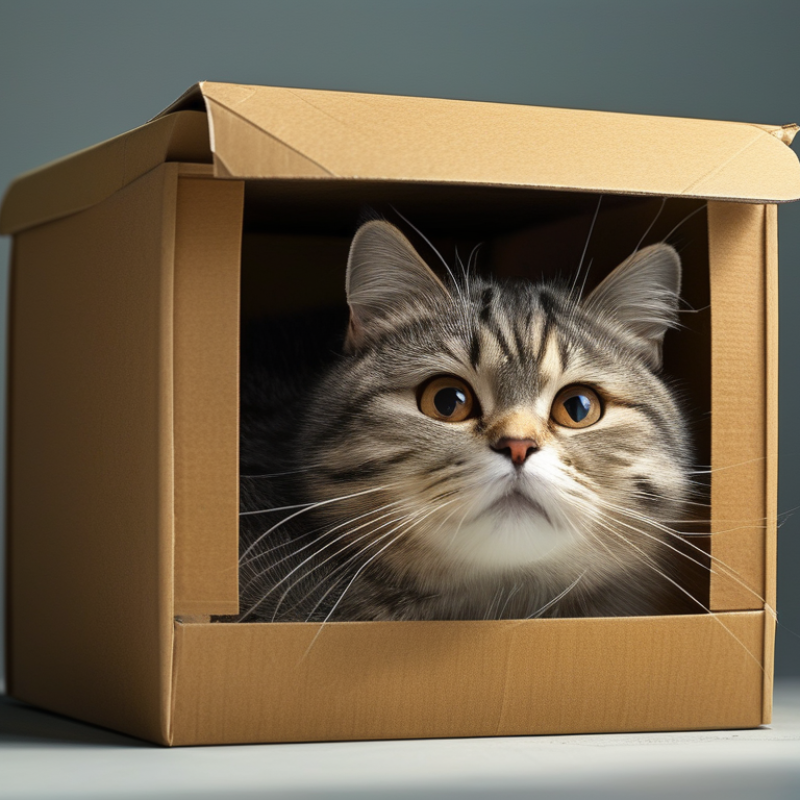
Cats are known for their quirky behaviors, especially their love for small enclosed spaces. Understanding this feline behavior can reveal much about their instincts. A study published in the Journal of Feline Medicine and Surgery suggests that these cozy spots provide a sense of security. Cats are natural predators and appreciate hiding areas for stalking and observing.
Small spaces also help cats regulate their body temperature. When pressed against the walls of a small box, they can retain warmth. The Cat Behavior Clinic highlights that confined areas can reduce stress levels. Enclosed spaces offer a retreat from overwhelming environments.
Creating safe spaces for your cat is crucial. Consider giving them cardboard boxes or cozy blankets. Some cats may enjoy soft tunnels that mimic their natural instincts to hide. Regularly check these spaces for cleanliness and comfort. Remember, it's essential to respect your cat's preferred hiding spots. They may need alone time to feel safe and secure. Balancing space and privacy is key to building your cat’s trust.
Cats have an innate preference for small enclosed spaces, and this behavior speaks volumes about their need for safety and security. In the wild, cats often hide in tight spots to protect themselves from potential threats. These cozy, secluded areas provide a sense of protection. A cardboard box or a small cat cave can become a fortress for your feline friend, offering a retreat from the chaos of the home environment.
Enclosed spaces also help cats regulate their body temperature. When a cat curls up in a confined area, it retains warmth more effectively. This instinctual behavior ensures they feel safe and comfortable. The softness of blankets or the hidden corners of furniture can be particularly appealing. However, not all cats will choose the same spaces. Their preferences can vary significantly, raising questions about their individual personalities and past experiences.
Creating cozy corners for your cat isn't just beneficial; it might make them feel more secure in their daily routine. Pay attention to where they like to hide. A simple blanket or an old box can transform an ordinary space into a sanctuary. While it's important to encourage exploration, respecting their choice of safe haven is crucial. Cats thrive in environments where they can retreat and recharge.
Cats are naturally inclined to seek out small, enclosed spaces. This behavior taps into their hunting instincts. In the wild, a confined area offers security. It provides them a perfect vantage point to observe and stalk prey. Enclosed spaces also help cats feel stealthy. They can hide and wait for the right moment to pounce. This instinct remains strong in domestic cats.
Creating cozy spots in your home can enrich your cat's environment. A simple cardboard box can become a fortress. Cats might prefer it over a large bed. Small spaces help them feel safe. This can reduce stress and anxiety. Observe your cat’s preferences. You might discover ways to enhance their play and rest areas.
Consider incorporating tunnels or fabric-covered hideaways. These encourage exploration and play. Ensure the spaces are safe and have soft surfaces. Avoid overcrowding with toys or other items. The goal is to provide a balance of comfort and stimulation. Each cat is unique. Tailoring their environment may take time and experimentation.
| Reason | Description |
|---|---|
| Safety and Security | Cats feel safe in small spaces, which offer them protection from predators. |
| Hunting Instincts | Small spaces allow cats to stalk and hide, enhancing their hunting behavior. |
| Warmth and Comfort | Enclosed areas provide a warm and cozy environment, perfect for napping. |
| Curiosity | Cats are naturally curious and small spaces intrigue them. |
| Retreat from Stress | Small spaces help cats escape from stressful situations and recharge. |
| Personal Space | Cats appreciate having their own space where they can be alone. |
| Playfulness | Hiding and emerging from small spaces can be a fun game for cats. |
| Territorial Behavior | Small spaces can serve as a territory that they can claim. |
| Nesting Instinct | Cats may seek out small spaces to create a safe nest for resting. |
| Observation | Small spaces allow cats to observe their surroundings without being seen. |
Cats often gravitate toward small, enclosed spaces. One significant reason is thermoregulation. In the wild, cats seek warmth in tight spots. A cozy nook can help them maintain their body temperature. Enclosed areas offer a sense of security and warmth.
When a cat curls up in a box or a small cave, they benefit from insulation. The material surrounding them retains heat better than an open area. This instinctual behavior is about survival, ensuring they stay warm and secure. Small spaces can also reduce stress and anxiety, providing a refuge during colder months.
Observing your cat in these preferred spots can reveal more about their nature. They may choose a small space even on warmer days. Sometimes, they seek comfort in unusual places that seem cramped. A pile of laundry or a cardboard box may serve as their sanctuary. It’s fascinating to see how these choices reflect their innate need for safety and warmth.
Cats often seek out small enclosed spaces as a way to find comfort and reduce stress. Research shows that these cozy spots help create a safe environment for them. According to a study published in the Journal of Feline Medicine and Surgery, around 70% of cats tend to prefer locations that provide a sense of security, which can alleviate anxiety and fear. Enclosed spaces trap heat and minimize noise, contributing to a calming atmosphere for our feline friends.
Cats have strong instincts to hide when stressed. Small, box-like environments enable them to feel protected. The confined space can shield them from perceived threats. Interestingly, cats exposed to more spacious environments exhibited signs of stress, including increased heart rates and reduced play behavior, as noted in studies from the Animal Behavior Journal. Finding the balance between enriching their space and providing cozy hideaways is crucial.
Encouraging your cat to explore these spaces can also enhance their well-being. Consider placing a few boxes or soft beds in quiet areas of your home. Ensure these spots are away from direct commotion. Monitor your cat’s reactions to these spaces; some may need time to adapt. Remember, every cat is unique. Pay attention to their preferences and adjust accordingly. Creating a stress-reducing environment can make a significant difference in your cat's quality of life.
: Cats prefer small spaces for a sense of security and protection from threats.
Enclosed areas help cats retain warmth, making them feel comfortable.
Offer cardboard boxes, soft blankets, or tunnels for hiding and retreating.
Cats need alone time in safe areas to feel secure and manage stress.
They create a secure routine, allowing cats to feel more relaxed and balanced.
No, preferences vary. Each cat's choice may reflect their personality and past experiences.
Regularly check for cleanliness and comfort to ensure they feel secure.
Yes, it helps indoor cats recreate natural behaviors and feel safe.
Without cozy spots, cats may experience stress and discomfort in their environment.
Some cats may become overly territorial about their spaces, which can cause issues.
Cats are known for their unique behaviors, one of which is their preference for small enclosed spaces. Understanding why do cats prefer small enclosed spaces involves examining their instinctual needs and behavioral tendencies. Enclosed areas provide safety and security, allowing cats to feel protected from potential threats. This sense of security is crucial for their overall well-being.
Additionally, small spaces cater to their hunting instincts, giving them a stealthy environment to practice their natural behaviors. These cozy spots are also perfect for thermoregulation, helping cats keep warm in confined areas. Lastly, small environments can significantly reduce stress, offering a calming effect that helps them feel more at ease. Each of these factors contributes to a deeper understanding of feline behavior and their affinity for small, enclosed spaces.

Brisk Pet