China Top 10 Dog Crates Why Dogs Sleep Better Outside?

Time:2026-10-13 Author:Madeline
0%

Choosing among the China Top 10 Dog Crates requires more than comparing prices, materials, and customer ratings. It also requires observing how each dog actually rests. Many owners ask, “why does my dog sleep better outside the cage?” The answer may involve temperature, space, airflow, anxiety, or simple personal preference. A dog might leave a warm crate and stretch across cool tile near a window. That small detail matters.

Veterinary behaviorist Dr. Karen Overall has emphasized that confinement should support training, not replace it. Her guidance reflects an important principle: a crate should feel safe, temporary, and rewarding. It should never become a daily punishment. A well-designed crate needs secure doors, smooth surfaces, stable flooring, and enough room for the dog to stand, turn, and lie naturally. Ventilation matters too, especially in warmer indoor environments.

Still, crate quality alone cannot solve every sleeping problem. Some dogs rest better outside because the crate feels narrow, noisy, or poorly positioned. Others dislike plastic smells, rattling wires, or limited visibility. These details are easy to overlook. I have also seen owners choose oversized crates, assuming extra space always creates comfort. Sometimes it creates a colder, less secure sleeping area.

This guide compares ten Chinese dog crates through practical features and real-life comfort. It considers construction, cleaning, portability, escape resistance, and sleep behavior. Results will vary. That is the honest part. A crate may be excellent on paper, yet unsuitable for one sensitive dog.
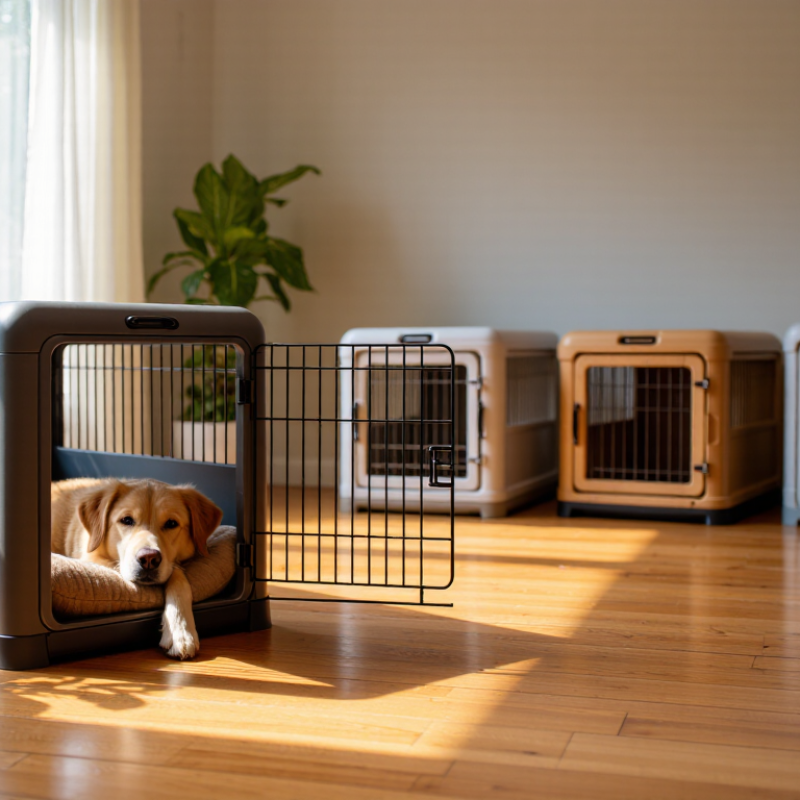
China Top 10 Dog Crates Why Dogs Sleep Better Outside?

What Makes Outdoor Dog Crates Different from Indoor Crates

Outdoor dog crates are built for changing conditions, not just indoor rest. Their frames often use weather-resistant materials, raised floors, and wider ventilation panels. These features help air move around a dog during warm nights. A solid roof can block direct sun and light rain. Indoor crates usually focus on portability, compact design, and easy placement beside furniture.

The floor matters more than many owners expect. A raised base keeps a dog away from damp soil, cold concrete, and small puddles. It can also reduce heat trapped beneath the crate. However, open ventilation cannot replace shade. A crate placed beside a hot wall may still become dangerously warm. A thermometer near the sleeping area gives more reliable information than guesswork.

Outdoor crates also need stronger doors and secure latches. Dogs may react to birds, passing vehicles, or unfamiliar sounds. I have seen calm dogs become restless when a crate faced a busy path. Turning the entrance toward a quiet corner often helped. Still, outdoor sleeping is not right for every dog. Puppies, elderly dogs, and dogs with anxiety may rest better indoors. I once assumed fresh air would solve nighttime restlessness, but the real issue was poor lighting and sudden noise. A gradual routine, dry bedding, and regular checks make the outdoor setup more dependable.

How Fresh Air and Natural Surroundings Affect Canine Sleep

Many dogs settle more easily in a well-ventilated crate placed outdoors, where fresh air carries familiar scents. Leaves, soil, and distant sounds create gentle sensory stimulation. This environment may reduce boredom and support calmer rest. However, outdoor sleep is not automatically better for every dog. Veterinary guidance and individual behavior should shape the decision.

Natural daylight also helps regulate a dog’s daily rhythm. Morning sunlight can encourage alertness, while a dim, quiet evening supports relaxation. A crate should offer firm flooring, dry bedding, shade, and enough room to stand, turn, and stretch. Place it away from traffic, smoke, standing water, and strong wind. Small details matter. A warm patch of sun can become uncomfortable within minutes.

I have seen dogs sleep deeply outside, then wake quickly when birds or insects appeared. That is not always restorative sleep. Some dogs remain watchful, especially near unfamiliar noises. Dogs with allergies, anxiety, short noses, or poor heat tolerance may rest better indoors. I once underestimated how quickly an outdoor area warmed after sunrise. Regular checks are essential, even when the morning feels mild. Fresh air helps most when the surroundings remain secure, shaded, clean, and predictable.

China Top 10 Dog Crates: Why Dogs Sleep Better Outside? — How Fresh Air and Natural Surroundings Affect Canine Sleep

Evidence-informed comparison of outdoor sleep conditions and crate-use considerations. Individual dogs may respond differently according to age, breed, coat, health, and weather.
No. Factor Useful Data or Reference Potential Sleep Benefit Crate and Outdoor-Safety Consideration
1 Fresh-Air Exchange Outdoor air is continuously replaced, while enclosed areas can accumulate heat, moisture, and odors. Airflow should remain gentle rather than creating a strong draft. Better ventilation can reduce stuffiness and help the dog settle more comfortably. Use a crate with ventilation on multiple sides. Never cover all ventilation panels or place the crate in a sealed shed, vehicle, or poorly ventilated enclosure.
2 Temperature Control Dogs vary widely in heat and cold tolerance. Puppies, older dogs, short-nosed breeds, and dogs with medical conditions are more vulnerable to temperature extremes. A stable, comfortable temperature supports longer periods of quiet rest. Provide shade, dry bedding, and free access to water. Avoid outdoor crating during heat waves, freezing conditions, storms, or rapidly changing weather.
3 Natural Light Cycle Dogs can use daylight and darkness as environmental time cues. Direct sunlight can heat a crate quickly, even when the surrounding air feels comfortable. Predictable light and dark periods may support a more regular rest–activity pattern. Place the crate in shaded, indirect light. Allow darkness at night, but keep the area secure and easy to monitor.
4 Humidity and Dryness Damp bedding, rain, and high humidity can make a resting area uncomfortable and can contribute to skin or respiratory irritation in susceptible dogs. A dry sleeping surface helps maintain body comfort and reduces interruptions caused by dampness. Elevate the crate from wet ground, use washable bedding, and remove wet fabric promptly. Do not rely on a waterproof cover as the only protection.
5 Background Noise Some outdoor locations provide steady sounds such as wind or leaves, while traffic, fireworks, construction, and barking may be highly disruptive. Consistent, low-intensity sounds may be less arousing than sudden indoor or outdoor noises. Choose a quiet area away from roads and equipment. Dogs showing panting, pacing, trembling, or repeated vocalization should be moved indoors.
6 Natural Scents Outdoor environments contain changing scents from soil, plants, and weather. Strong chemicals, smoke, pesticides, and stagnant waste are unsafe sources of odor. Safe, moderate scent variety can provide low-level enrichment and may help some dogs relax after exploration. Keep crates away from treated lawns, toxic plants, compost, animal waste, and areas contaminated by cleaning chemicals.
7 Pre-Sleep Exercise A suitable walk or play session can provide physical activity and mental stimulation. Exercise needs differ by age, breed, fitness, and health status. Meeting activity needs before rest can reduce boredom-related movement and improve settling. Allow a cool-down and bathroom break before crating. Avoid intense exercise immediately before sleep, especially in warm weather.
8 Crate Dimensions The dog should be able to stand naturally, turn around, lie down fully, and stretch without pressing against the walls. Adequate space supports comfortable posture and reduces restlessness caused by restriction. Measure the dog rather than choosing only by body weight. A crate that is too small restricts movement; one that is excessively large may feel less secure for some dogs.
9 Bedding and Ground Insulation Ground surfaces can transfer heat, cold, and moisture. Bedding should be appropriate for the dog’s chewing habits and kept clean and dry. Cushioning and insulation can reduce pressure on joints and help maintain a comfortable resting temperature. Use non-toxic, washable materials. Avoid loose fabric for dogs that ingest bedding, and inspect the crate regularly for damaged edges or wires.
10 Security and Supervision Most adult dogs sleep approximately 12–14 hours per day, while puppies and some older dogs may sleep substantially longer. Sleep quality depends on feeling safe. A calm, familiar location can reduce vigilance and support uninterrupted rest. Outdoor crate use should be supervised and short-term unless a secure, weather-controlled shelter is available. Protect the dog from escape, predators, insects, toxic substances, and unauthorized access.

Key point: Fresh air and natural surroundings may improve comfort and relaxation for some dogs, but outdoor sleeping is not automatically better than indoor sleeping. The safest arrangement is a correctly sized, well-ventilated crate in a dry, shaded, quiet, secure, and temperature-controlled location with regular supervision.

Key Safety Features in China’s Top 10 Dog Crates

China’s top 10 dog crates should be judged by safety, not appearance alone. A secure crate needs smooth welds, rounded edges, and a door that cannot open from pressure inside. Ventilation matters too. Wide side openings reduce heat buildup and let owners inspect a nervous dog quickly. The 2023–2024 APPA National Pet Owners Survey estimates that 65.1 million U.S. households own dogs, showing how widely crate safety affects everyday care.

Fit is equally important. A dog should stand naturally, turn around, lie flat, and stretch without pressing against the walls. An oversized crate may encourage sliding during travel, while a narrow one can restrict movement. The RSPCA advises that crates must never become punishment or replace exercise. A washable, non-slip floor helps, especially when water spills or paws become wet. Small details matter.

For travel, owners should seek strong latches, stable panels, and restraint compatibility verified by independent testing. The Center for Pet Safety warns that ordinary crates are not automatically crash-safe. That distinction is often missed. Some products look rigid but contain weak hinges or brittle plastic. No crate is perfect for every dog. A large, anxious chewer may defeat a light enclosure, while a quiet puppy may need more airflow and supervision. Check the crate in daylight, shake each panel gently, and inspect it again after several uses. Safety claims still deserve questions.

How to Choose the Right Outdoor Crate for Your Dog

How to Choose the Right Outdoor Crate for Your Dog

An outdoor crate should support comfort, safety, and calm sleep, not simply contain a dog. The American Pet Products Association’s 2023–2024 National Pet Owners Survey estimates that 65.1 million U.S. households own a dog. That figure shows how many homes may need suitable resting spaces. However, outdoor living is not automatically healthier. Weather, temperament, age, and supervision still matter.

Measure your dog while standing, then choose a crate that allows standing, turning, stretching, and lying naturally. Avoid oversized designs for anxious dogs, because excessive space may reduce security. Look for rust-resistant materials, smooth edges, secure ventilation, and a raised, non-slip floor. The RSPCA recommends dry, insulated, well-ventilated shelter with protection from rain, wind, and heat. I would avoid dark metal crates in direct sunlight. They can become dangerously hot before the owner notices.

Check the crate at different times of day. Touch the floor at noon. Smell the bedding after rain. Small details matter. In cold climates, insulation alone may not prevent discomfort, especially for puppies, senior dogs, or short-coated breeds. In warm climates, shade and airflow are essential. The crate should never replace human supervision, exercise, or indoor access during severe weather. A perfect crate does not exist. The right choice depends on your dog’s body, habits, and local conditions. Temperature monitoring is often overlooked, and that deserves more attention.

China Top 10 Dog Crates: Why Dogs Sleep Better Outside?

How to Choose the Right Outdoor Crate for Your Dog

Dogs need a protected, quiet, and comfortable resting area. Typical sleep needs vary by life stage: puppies may sleep 18–20 hours per day, adult dogs commonly sleep 12–16 hours, and senior dogs often sleep 14–18 hours. An outdoor crate should provide adequate ventilation, shade, weather protection, enough room to stand, turn around, and lie down naturally, plus a dry and comfortable floor.

Reference: American Kennel Club and veterinary sleep guidance. Sleep requirements vary by breed, health, activity level, and environment.

Best Practices for Comfortable and Safe Outdoor Sleeping

Outdoor sleeping can calm some dogs. Fresh air, familiar smells, and cooler evening temperatures may reduce restlessness. However, dogs do not automatically sleep better outdoors. Breed, age, coat, health, and temperament matter. When comparing top outdoor crate designs, assess safety before appearance. Choose rounded edges, secure latches, strong flooring, and generous ventilation. A crate should sit on a raised, level surface. This blocks damp ground and reduces contact with insects.

Use breathable bedding that can be washed easily. Thick cushions may trap heat during humid nights. Shade should cover the crate through the afternoon, not only at noon. Place it away from traffic, sprinklers, and sudden household noise. Clean water must remain within easy reach. Watch for panting, pacing, trembling, or repeated scratching. These behaviors indicate discomfort, not stubbornness. I once underestimated evening humidity; bedding felt dry above but damp underneath. That mistake changed my inspection routine.

Tips: Introduce the crate indoors before outdoor use. Reward calm entry, then try brief outdoor naps. Check the floor for heat, moisture, and sharp debris each time. Avoid outdoor sleeping during storms, extreme heat, or freezing weather. Some dogs rest better indoors. Judge comfort by behavior, not price or ranking.

FAQS

Can fresh air help a dog sleep outdoors?

Fresh air and familiar scents may reduce boredom and support calmer rest. Not always. Birds, insects, or strange noises can interrupt sleep.

Is outdoor sleeping better for every dog?

No. Age, health, coat, anxiety, allergies, and heat tolerance should guide the decision. Some dogs rest more deeply indoors.

What size should an outdoor crate be?

Your dog should stand, turn, stretch, and lie down naturally. Avoid excessive space for anxious dogs, as it may feel less secure.

Where should an outdoor crate be placed?

Choose a raised, level area with shade, airflow, and dry ground. Keep it away from traffic, smoke, sprinklers, standing water, and strong wind.

How can owners prevent the crate from overheating?

Check the floor at noon and after sunrise. Dark surfaces can become hot quickly. Shade must cover the crate throughout the afternoon.

What bedding works best outdoors?

Use breathable bedding that washes easily. Thick cushions may trap heat. Check underneath after rain or humid weather.

Which signs show that a dog feels uncomfortable?

Panting, pacing, trembling, repeated scratching, or constant alertness may signal discomfort. Do not dismiss these behaviors as stubbornness.

How should a dog learn to use an outdoor crate?

Introduce the crate indoors first. Reward calm entry, then try brief outdoor naps. I once extended outdoor time too quickly; gradual practice is safer.

When should outdoor sleeping be avoided?

Avoid it during storms, extreme heat, freezing weather, or rapidly changing conditions. Provide indoor access and check the dog regularly.

Conclusion

China’s top 10 dog crates for outdoor use are designed differently from indoor crates, offering stronger ventilation, weather-resistant materials, secure doors, raised floors, and protection from rain, wind, and excessive sunlight. Unlike enclosed indoor spaces, a well-designed outdoor crate allows fresh air, natural light, and calming environmental sounds to support relaxation. These surroundings may help explain the question, “why does my dog sleep better outside the cage,” especially when a dog feels less confined and can enjoy a cooler, more open sleeping area.

Choosing the right crate depends on your dog’s size, breed, activity level, and sensitivity to weather. Look for enough room to stand, turn, and stretch, while avoiding an oversized space that feels insecure. Add a dry, washable bed, provide shade and clean water, and inspect locks, flooring, and ventilation regularly. Outdoor sleeping should always take place in a safe, supervised location with comfortable temperatures and protection from extreme conditions, ensuring that freedom, fresh air, and security work together for better rest.

Madeline

Madeline

Madeline is a dedicated marketing professional with a wealth of expertise in our company's core offerings. With a keen understanding of the industry, she brings a unique perspective to her role, consistently delivering high-quality content that highlights the superior aspects of our products. As......