How to Clean Pet Cages Properly for a Healthy Environment?

Time:2026-09-03 Author:Charlotte
0%

Keeping your pet's cage clean is essential for their health. According to Dr. Emily Sanchez, a veterinary hygiene expert, "A clean cage is a happy environment for pets." This emphasizes the importance of understanding how to clean pet cages properly.

Regular cleaning prevents odors and reduces the risk of infections. Pet cages can harbor bacteria if neglected. Ensure you have the right cleaning supplies. Use gentle detergents and avoid harsh chemicals. This method protects your pet's sensitive skin and respiratory system.

Many pet owners overlook these details. It's easy to perform a quick clean. However, deep cleaning is necessary for a healthy environment. Spend time removing all bedding, and scrub surfaces thoroughly. Rinse well to avoid chemical residue. Cleaning regularly not only protects pets but enhances their overall well-being.
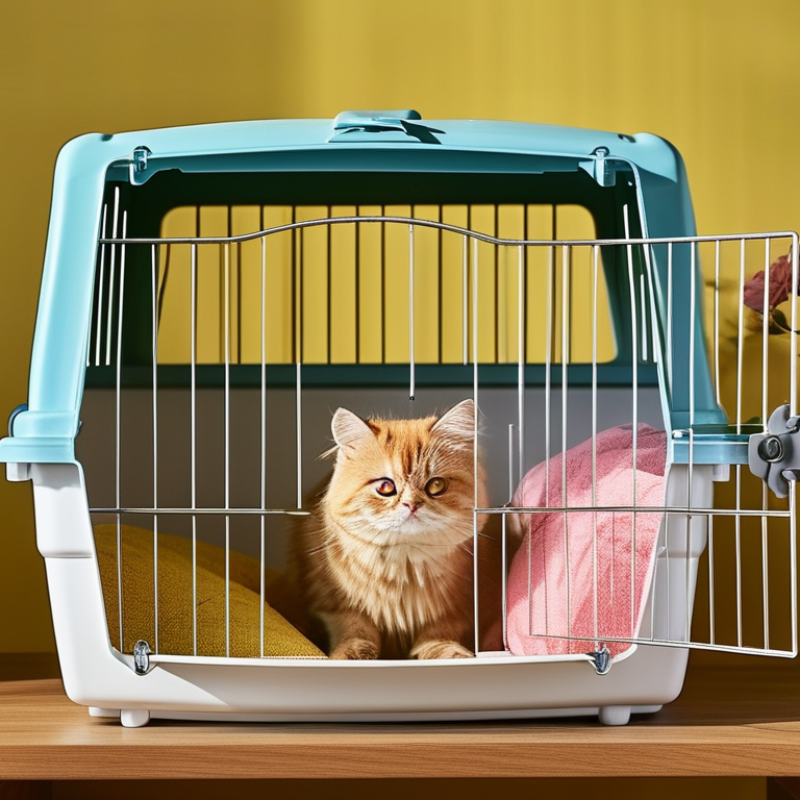
How to Clean Pet Cages Properly for a Healthy Environment?

Understanding the Importance of Cleanliness in Pet Cages

Maintaining cleanliness in pet cages is crucial for the health of pets and their owners. Research from the Centers for Disease Control and Prevention (CDC) indicates that a dirty environment can lead to serious health risks. Bacteria and parasites can thrive in unclean cages, which may cause infections in pets and transmit diseases to humans. Regular cleaning can reduce these risks significantly.

A study published by the Journal of Animal Science found that nearly 30% of pet owners neglect proper cage hygiene. The report emphasizes that a well-maintained cage promotes not only physical health but also the mental well-being of pets. A clean space reduces stress and enhances the overall mood of our furry companions. Small changes, such as daily spot cleaning and weekly deep cleans, can make a big difference.

Pet owners often overlook the importance of cleaning supplies. Using harsh chemicals can be harmful. Instead, opt for natural cleaning products or mild soap. It helps ensure that the environment is safe. Regular assessments of the cage system can show areas needing better attention. A healthy environment leads to healthier pets.

Essential Supplies for Cleaning Pet Cages Effectively

Cleaning pet cages effectively requires some essential supplies. Start with a sturdy brush to scrub away dirt and grime. Use a vacuum cleaner to remove loose fur and debris from corners. A squeegee can help clean surfaces without scratching them. A bucket for soaking dirty items is also useful. Consider using non-toxic, pet-safe disinfectants to ensure a safe environment for your furry friends.

Tips for selecting cleaning supplies include checking labels for pet safety. Avoid harsh chemicals that could harm your pets. Natural cleaners like vinegar and baking soda can be effective alternatives. Soft cloths and sponges will prevent scratching surfaces while cleaning. Ensure you have gloves on hand to protect your skin from irritants.

Routine cleaning should not be overlooked. Aim to clean the cage once a week. This practice helps control odors and prevents the buildup of harmful bacteria. After cleaning, allow the cage to air dry completely before putting your pets back. Regular maintenance can significantly enhance your pet's living conditions while reducing the risk of health issues.

Essential Supplies for Cleaning Pet Cages Effectively

Step-by-Step Guide to Cleaning Different Types of Pet Cages

Cleaning pet cages is crucial for maintaining a healthy environment. Different types of cages require tailored cleaning methods. For wire cages, start by removing your pet and taking out any bedding. Use a mixture of mild soap and warm water to scrub the surfaces. Rinse thoroughly to avoid leaving soap residue. Pay attention to corners where dirt accumulates.

For plastic enclosures, you can use the same solution but add white vinegar for its antimicrobial properties. Scrub all surfaces with a soft brush. If any stains persist, a baking soda paste can help lift them away. Rinse well and dry completely before returning your pet. Remember, a dirty cage can lead to health issues for your pet.

Glass aquariums require special care. Empty the tank and remove decor. Use a scraper for stubborn algae. A vinegar solution works well for glass surfaces, too. Rinse thoroughly to ensure no residue remains. It can be easy to overlook hidden spots. Make sure to check the filter system regularly to keep the water clean. Each cage type has its challenges, but consistent cleaning is key for your pet's health.

Best Practices for Maintaining a Long-Lasting Clean Environment

Maintaining a clean environment for your pets is essential. Regular cleaning not only promotes hygiene but also ensures your pet’s well-being. Start by setting a routine cleaning schedule. Daily tasks should include removing waste and wiping down surfaces. Use safe, pet-friendly cleaners to eliminate harmful bacteria. Pay attention to corners and nooks where grime can collect. These small areas can harbor unwanted odors and pests.

Weekly deep cleaning is equally important. Empty the cage and wash all accessories. Hot soapy water works well. Let items dry completely before placing them back. Inspect bedding materials, replacing them if they become soiled or worn out. It's easy to overlook these details, but they can significantly influence your pet's health.

Reflecting on your cleaning habits is also necessary. Are there areas you consistently neglect? Make a note to improve in those spots. Consistency is key for a long-lasting clean environment. Consider keeping a checklist to track your cleaning progress. This can help motivate you to keep up with your routines. Simple adjustments can lead to a healthier habitat for your beloved pet.

Tips for Preventing Bacteria and Odor in Pet Cages

Maintaining a clean pet cage is essential to ensure the health of your furry friends. A dirty environment can harbor harmful bacteria, leading to illnesses. According to a study from the Journal of Applied Microbiology, pet cages can have up to 36 different types of bacteria, some of which can be pathogenic. Regular cleaning routines are crucial to minimize these risks.

To prevent odors and bacteria, start by using appropriate cleaning solutions. A mixture of water and vinegar can effectively neutralize odors and disinfect surfaces. Make sure to clean all areas of the cage, including corners and hidden spots. Scrubbing with a brush can help remove stubborn grime. Pay particular attention to areas where waste collects, as these spots can rapidly become breeding grounds for bacteria.

Also, consider the bedding material. Certain types can trap odors more than others. Choosing absorbent and easy-to-clean bedding can make a significant difference. In a survey by the American Pet Products Association, 50% of pet owners reported issues with cage odors, highlighting the importance of proper materials and regular cleaning. Experiment and observe what works best for your pets to keep their habitats fresh and healthy.

How to Clean Pet Cages Properly for a Healthy Environment? - Tips for Preventing Bacteria and Odor in Pet Cages

Cleaning Step Frequency Suggested Products Additional Tips
Remove Bedding Daily Natural bedding options Dispose of old bedding properly to prevent odor.
Wash Cage Weekly Non-toxic cage cleaners Rinse thoroughly to remove all cleaning residue.
Disinfect Accessories Every 2 weeks Vinegar and water solution Let dry completely before reintroducing to the cage.
Inspect for Damage Monthly N/A Check for any sharp edges or weak points.
Replace Old Bedding Weekly Eco-friendly options Choose absorbent materials to minimize odors.

FAQS

: Why is cleaning pet cages important?

: Cleaning cages helps maintain a healthy environment for your pets and prevents health issues.

How should I clean a wire cage?

Remove your pet and bedding. Scrub surfaces with mild soap and warm water, ensuring corners are clean.

What can I use for plastic enclosures?

Use the same soap mixture but add white vinegar. A baking soda paste can help with stubborn stains.

How do I clean a glass aquarium?

Remove decorations, empty the tank, and use a scraper for algae. Rinse well with a vinegar solution.

What is a good cleaning routine?

Set a schedule for daily waste removal and weekly deep cleaning. Consistency is essential for hygiene.

How can I prevent odors and bacteria?

Use vinegar and water as a cleaning solution. Pay attention to waste areas and use absorbent bedding materials.

What should I consider when choosing bedding?

Choose bedding that is absorbent and easy to clean. This can reduce odors and improve your pet's habitat.

What areas are often neglected during cleaning?

Corners and hidden spots are frequently overlooked, yet they can harbor grime and odors.

How can I track my cleaning progress?

Consider keeping a checklist. This helps maintain motivation and ensures no areas are neglected.

What habits should I reflect on for better cleaning?

Take note of areas you consistently neglect and work on improving those cleaning habits for better health.

Conclusion

Maintaining cleanliness in pet cages is crucial for the health and well-being of your pets. Understanding the importance of cleanliness helps in fostering a safe and hygienic environment, reducing the risk of disease and odors. To clean pet cages properly, you need to gather essential supplies such as safe cleaning agents and tools. The step-by-step guide provides insights on how to clean pet cages properly for different types of cages, ensuring thorough cleaning without harming your pets.

Moreover, implementing best practices for ongoing maintenance is key to sustaining a long-lasting clean environment. Regular upkeep not only helps in preventing bacteria and unpleasant odors but also promotes a happier and healthier space for your pets. By following these guidelines, pet owners can create a safe haven for their furry companions, ensuring their comfort and well-being.

Charlotte

Charlotte

Charlotte is a seasoned marketing professional with a deep understanding of the company's portfolio and a passion for elevating its presence in the market. With a keen eye for detail and a commitment to excellence, she ensures that our professional blog is regularly updated with insightful articles......