Choosing a new pet cage in 2026 involves more than selecting attractive colors or smart features. The cage must match your pet’s species, body size, movement patterns, and daily needs. A safe enclosure should provide secure doors, proper ventilation, stable flooring, and enough room for natural behavior. Bigger is not always better if the design creates unsafe gaps or difficult cleaning areas.
Learning how to introduce a new pet cage correctly can reduce fear and prevent avoidable stress. Begin by placing the cage near familiar sounds, but away from loud appliances, direct sunlight, and busy walkways. Add a washed blanket, a trusted toy, and familiar food bowls when appropriate. Let your pet inspect the cage at its own pace. Never push, chase, or trap an anxious animal inside.
Watch practical signals closely. Relaxed posture, normal eating, and curious sniffing suggest gradual comfort. Hiding, repeated biting, rapid breathing, or refusing food may indicate that the process is moving too quickly. Slow down. I have found that owners often focus on the cage itself and overlook the surrounding routine. That mistake is easy to make. Veterinary guidance and reputable animal welfare resources can help you adjust the setup for birds, rabbits, rodents, cats, or reptiles. Clean the enclosure before use, check every latch, and inspect it daily during the first week. A careful introduction may take hours, days, or longer. There is no useful prize for rushing it.
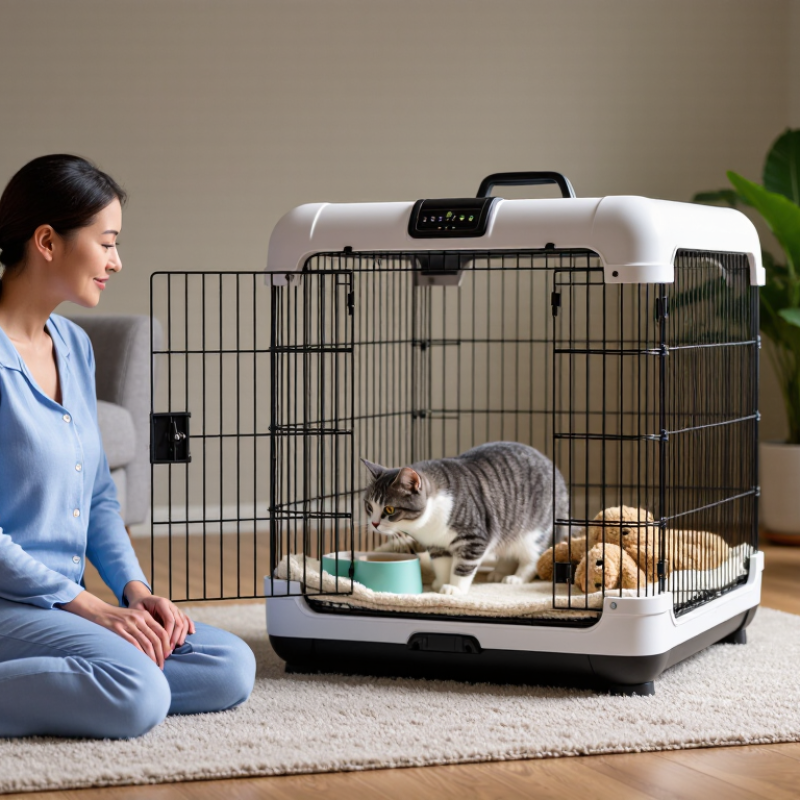
Introducing a new pet cage should begin with the animal, not the room or decoration. A cage for a climbing parrot needs height, strong perches, and safe bar spacing. A rabbit needs floor space for hopping, resting, and litter training. Small rodents often need deep bedding and secure, narrow openings. Reptiles require species-appropriate temperature zones, ventilation, and carefully measured humidity. A beautiful cage can still be wrong.
Measure your pet’s adult size before purchasing. The animal should turn, stretch, and move naturally without touching the bars constantly. Check every latch and corner with your fingers. Sharp edges can cause hidden injuries. Good ventilation matters, but constant drafts may stress sensitive animals. Use washable materials and avoid surfaces that absorb moisture or cleaning chemicals. I once underestimated how quickly a young pet would grow. That mistake made the first cage unsuitable within months.
Place the cage away from direct sunlight, loud appliances, and heavy foot traffic. Keep food, water, sleeping areas, and enrichment easy to reach. Introduce the cage gradually. Put familiar bedding or a known perch inside, then leave the door open when safe. Watch body language closely: freezing, repeated escape attempts, or refusing food suggests discomfort. Adjust the layout slowly. Expert guidance can help when species needs are complex, because general cage advice is not always accurate.
| Pet Species | Minimum Recommended Space | Bar Spacing or Ventilation | Essential Cage Features | Suitable Base and Bedding | Safe Introduction Approach |
|---|---|---|---|---|---|
| Small birds (budgerigar, canary) |
Choose a cage that allows the bird to fully extend both wings without touching the sides. A practical starting size is approximately 24 × 18 × 18 in (61 × 46 × 46 cm), with larger always preferable. | Horizontal flight space is more important than height alone. Bar spacing should generally be ½ in (1.3 cm) or less for small birds. | Several perches of different safe diameters, separate food and water dishes, secure doors, bird-safe materials, and unobstructed ventilation. | A removable solid tray lined with plain paper. Avoid loose dusty substrates, treated wood, and materials that can be swallowed or entangle feet. | Place the cage in a quiet, bright area away from drafts and direct heat. Leave the door open only when the room is secure, and allow the bird to approach at its own pace without chasing. |
| Rabbits | A cage or hutch should not be the rabbit’s only living area. Provide a permanently attached exercise zone; for one medium rabbit, a commonly used welfare target is at least 3 × 2 × 1 m of total continuous living space (about 10 × 6.5 × 3.3 ft). | Use strong, well-ventilated construction with no sharp edges. Avoid wire flooring because it can injure the feet; if mesh is necessary for security, provide solid resting areas. | A hideout, solid resting platform, hay rack, litter area, chew-safe enrichment, and enough room for the rabbit to stand upright, stretch, and take several hops. | Use a solid, non-slip floor with paper-based bedding or washable mats. Provide unlimited grass hay and keep litter materials dust-free and non-clumping. | Introduce the new enclosure beside the rabbit’s familiar area first. Transfer familiar hideouts and toys, keep the daily routine stable, and supervise exploration during the first several sessions. |
| Guinea pigs | For two guinea pigs, provide at least 10.5 sq ft (about 0.98 m²) of uninterrupted floor space; larger areas are strongly preferred. Prioritize floor area over height. | Use a well-ventilated enclosure with solid flooring. Bar spacing should be narrow enough to prevent head or body escape, commonly around ½ in (1.3 cm) or less for small animals. | At least two hiding places, wide entrances, a hay area, water bottle or bowl, stable food dishes, and open running space without exercise wheels. | Use paper bedding, fleece liners, or another absorbent low-dust option. Avoid cedar and untreated aromatic softwood shavings because aromatic oils may irritate the respiratory system. | Add familiar bedding and hideouts before moving the guinea pigs. Introduce them during a calm period, provide hay immediately, and monitor eating, droppings, breathing, and signs of persistent stress. |
| Hamsters | A large single-level enclosure is generally preferable. A practical minimum target is about 600 sq in of uninterrupted floor space (approximately 3,871 cm²); many hamsters benefit from more. | For dwarf hamsters, use bar spacing of approximately ¼ in (6 mm) or less. For Syrian hamsters, approximately ½ in (1.3 cm) or less is commonly used, depending on the individual animal. | Deep bedding for burrowing, a solid exercise wheel sized to keep the back straight, hides, tunnels, chew items, and secure ventilation. Avoid wire exercise wheels. | Use unscented paper bedding or another low-dust, non-toxic substrate. Avoid cotton-like nesting fibers that can wrap around limbs or cause intestinal blockage if swallowed. | Move a portion of the clean, familiar nesting material into the new enclosure. Keep food, wheel, hides, and bedding arranged similarly, and minimize handling for the first 24–48 hours. |
| Gerbils | For a bonded pair, provide a spacious enclosure with at least 600 sq in of floor area (approximately 3,871 cm²), plus a deep digging section. | Use secure ventilation and narrow mesh or bars that prevent escape. A deep tank-style base with a well-secured ventilated top is often suitable for burrowing species. | Deep bedding, a sand bath, cardboard tunnels, wooden chew items, hides, and a solid running wheel. Keep familiar nest material available to help preserve the group scent. | Provide a deep layer of low-dust paper or aspen-based bedding suitable for small mammals. Avoid cedar, strongly scented products, and dusty sand. | Do not completely remove the group’s scent during the move. Transfer clean familiar bedding, move the bonded pair together, and avoid separating companions during cage introduction. |
| Domestic cats | A carrier is for transport, not permanent housing. Select one large enough for the cat to stand, turn around, and lie down naturally; for longer confinement, use a secure room or appropriately sized exercise pen. | Provide strong ventilation on multiple sides and a door that cannot be pushed open. The carrier should be escape-resistant and stable during handling. | A washable base, absorbent liner, familiar blanket, secure locking points, and enough clearance for safe loading. Avoid loose collars, strings, or toys that could entangle. | Use a non-slip washable mat with an absorbent layer beneath it. Do not use loose clumping litter inside a small carrier during transport. | Keep the carrier permanently accessible at home with the door secured open. Place treats or meals inside, never force the cat in, and close the door for brief periods only after the cat enters willingly. |
| Reptiles | Requirements vary by species, age, and adult size. The enclosure must allow natural posture, thermoregulation, movement, and appropriate enrichment; plan for the animal’s adult size rather than buying a temporary undersized habitat. | Provide species-appropriate ventilation while retaining the required heat and humidity. Use a secure, escape-proof lid and keep electrical equipment protected from moisture. | A measured temperature gradient, humidity control where required, hides on both warm and cool sides, appropriate lighting, climbing or digging structures, and a secure thermostat. | Choose substrate according to species and life stage. Avoid loose substrates that create impaction or respiratory risks for species that cannot safely use them. | Set up and test heat, light, humidity, and safety equipment before moving the reptile. Transfer familiar hides when appropriate, reduce unnecessary handling, and verify feeding and waste patterns during acclimation. |
Start with the species, adult size, movement, and resting posture. A climbing bird needs height and sturdy perches. A rabbit needs generous floor space. Small rodents need deep bedding and narrow openings. Reptiles need ventilation, humidity, and temperature zones. A beautiful cage can still be unsuitable.
Your pet should turn, stretch, rest, and move without constant contact with the bars. Measure the expected adult size before buying. Young animals may grow quickly. I once underestimated growth, and the first cage became unsuitable within months.
Run your fingers along corners, wires, and platforms. Remove sharp edges, loose threads, chipped coatings, and unstable parts. Test every latch twice. Check bar spacing against your pet’s head size. Measure twice.
Wash removable parts with unscented soap. Rinse thoroughly, then let every surface dry completely. Add safe bedding, shelter, food dishes, water, and enrichment. Avoid materials that absorb moisture or cleaning chemicals.
Choose a quiet area away from direct sunlight, cooking fumes, loud appliances, drafts, and heavy foot traffic. Keep food, water, sleeping spaces, and enrichment easy to reach. Keep it quiet.
Add familiar, clean bedding or a known perch when safe. Leave the door open during supervised introduction. Do not force your pet inside. Let exploration happen gradually. Not always.
Watch for freezing, repeated escape attempts, hiding, or refusing food. Observe body language during the first hour and after overnight use. Adjust one feature at a time. Watch closely.
Begin with essential items and enough space for natural movement. Too many platforms or toys can cause crowding, falls, and hidden hazards. Recheck the layout after one night. I may still miss a problem until movement reveals it.
Learning how to introduce a new pet cage correctly begins with choosing a safe, suitable enclosure that matches your pet’s species, size, activity level, and daily needs. Before your pet arrives, clean and assemble the cage, check that doors and fasteners work securely, and add familiar essentials such as bedding, food, water, and comfortable resting areas. Place it in a calm location where your pet can observe household activity without being overwhelmed.
Introduce the cage gradually in a familiar environment. Allow your pet to see and smell it first, then use gentle encouragement, familiar items, and treats to make exploration positive. Never force your pet inside or create sudden noise around the cage. Observe eating, sleeping, movement, and body language during the adjustment period. If signs of stress appear, slow the process and improve the setup by changing the location, layout, enrichment, or comfort items. With patience and regular monitoring, the cage can become a secure, familiar space.

 Brisk Pet