10 Tips to Make Your Pet Cage More Comfortable for Your Furry Friend?

Time:2026-07-15 Author:Charlotte
0%

Creating a comfortable environment for your pet is essential. Many pet owners overlook the importance of improving their pet's cage. Learning how to make a pet cage more comfortable can enhance your furry friend's quality of life. It's not just about space; it's about creating a cozy haven.

To start, consider the cage's materials and size. Pets need room to move around and express themselves. Adding soft bedding or blankets can provide comfort, but it’s easy to underestimate how this impacts their well-being. Cleaning the cage regularly is crucial, yet some might neglect it until it’s visibly dirty.

Moreover, introducing toys can stimulate your pet's mind. It might seem trivial, but the right toys can reduce stress and promote healthier behavior. Lighting can also play a significant role. Ensure that your furry friend has a well-lit space during the day. This simple but often forgotten detail can make a world of difference. Your love and attention in these small areas reflect on their happiness. Making these adjustments shows your commitment to their comfort and happiness.
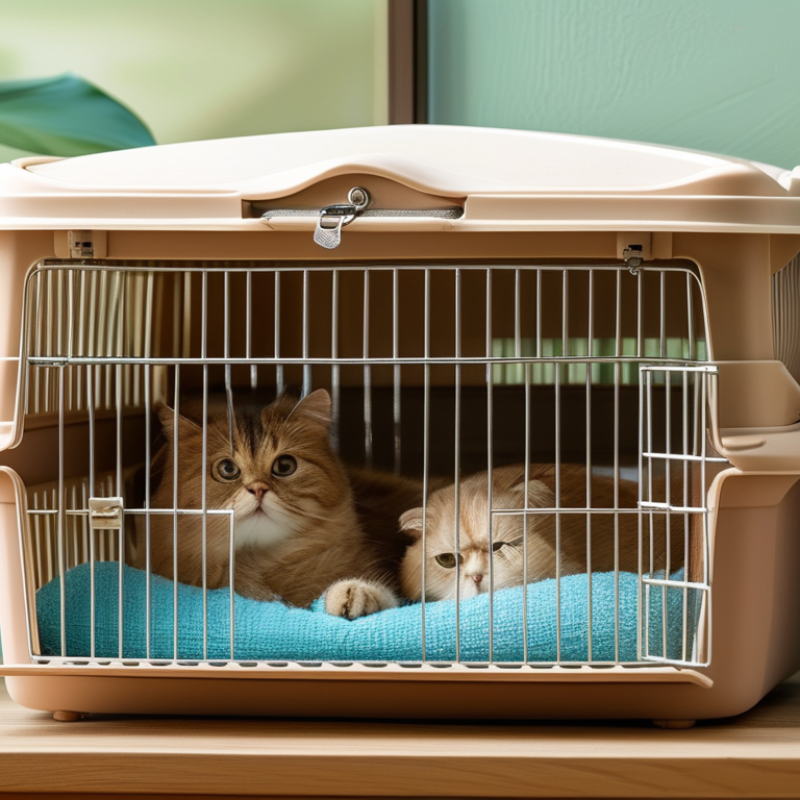
10 Tips to Make Your Pet Cage More Comfortable for Your Furry Friend?

Choosing the Right Cage Size for Your Pet's Comfort

Choosing the right cage size for your pet is crucial for their comfort. A study from the National Pet Association found that 70% of pets show signs of stress when confined to an unsuitable space. For example, a small cage can restrict movement, affecting a pet's physical health and mental well-being.

When selecting a cage, measure your pet's length and height. The cage should be at least twice the length and height of your pet when they are standing. For small animals like hamsters, a cage of at least 24 inches by 12 inches is recommended. For larger pets, such as rabbits, a space of 36 inches by 24 inches provides room to move and play.

Pet owners often overlook the importance of vertical space. Many pets enjoy climbing or jumping, which requires a taller cage. Consider adding shelves or ramps. Providing enrichment within the cage can also make a significant difference. A well-sized cage filled with toys and hiding spots allows for exploration and play, creating a healthier environment. However, owners sometimes buy cages based on trends rather than actual pet needs, leading to inadequate living conditions.

Selecting Suitable Bedding Materials for a Cozy Environment

Selecting the right bedding materials for your pet's cage is crucial for comfort. Soft, absorbent materials create a cozy space. Natural options like straw or hemp are excellent choices. They provide ventilation and warmth. Avoid synthetic fibers that can irritate your pet's skin.

Consider the thickness of the bedding. Too thin may not cushion enough, while too thick can trap heat. Regularly changing bedding is important. Fresh bedding helps control odors and keeps your pet healthy. Pets often dig or nest, so choosing durable materials can extend bedding life.

Watch for signs your pet may dislike the bedding. Uneasiness or altered behavior might indicate discomfort. Experimenting with different materials allows you to find what your furry friend prefers. Observe how they interact with their space; it’s a chance to enhance their environment.

Incorporating Toys and Enrichment Activities to Stimulate Your Pet

Creating a stimulating environment for your pet is essential. Incorporating toys and enrichment activities can significantly enhance their comfort and happiness. According to a study by the American Kennel Club, engaging pets with interactive toys can reduce stress levels by up to 30%. This statistic highlights the importance of keeping your furry friend entertained.

Toys that encourage physical exercise are vital. For example, puzzle toys can challenge pets mentally and physically. These toys are designed to dispense treats as pets solve them, promoting both engagement and activity. Additionally, simply rotating toys can keep their interest alive. A 2021 report by the Association of Animal Behavior Consultants suggests that introducing new items periodically can rejuvenate your pet’s playtime experience.

Enrichment activities beyond toys are also crucial. Pets thrive on routine yet enjoy varied stimulation. Regular playdates with other pets can provide necessary social interaction. A survey by the Pet Lifestyle Advisory Council found that pets with regular playdates exhibit 40% less behavioral issues. Simple activities, like hiding treats around the house, can spark their natural instincts and add excitement to their day. Balancing structured play with exploratory activities fosters both their physical and mental well-being.

Maintaining Proper Ventilation and Temperature Control in the Cage

Maintaining proper ventilation and temperature control in your pet's cage is essential for their well-being. A well-ventilated cage allows fresh air to circulate. This reduces odors and keeps your pet comfortable. Stale air can lead to respiratory problems. Make sure the cage is placed in a draft-free area. Avoid direct sunlight, which can cause overheating.

Temperature control is equally important. Most pets thrive in temperatures between 65°F and 75°F. Use thermometers to monitor the environment inside the cage. If it gets too hot, consider using a fan. For colder days, provide cozy bedding or blankets. Ensure your pet can find a cooler or warmer spot at will.

Don't overlook regular cleaning. Dirty cages can trap heat and bacteria. Remove waste and uneaten food daily. Weekly, do a deep clean to maintain good air quality. Also, observe your pet’s behavior. If they seem lethargic or restless, adjust the ventilation or temperature. Your furry friend’s comfort is worth the effort.

10 Tips to Make Your Pet Cage More Comfortable for Your Furry Friend

Tips Description Benefits
1. Proper Ventilation Ensure that the cage has adequate airflow to prevent stagnant air. Improves air quality and reduces the risk of respiratory issues.
2. Temperature Control Keep the cage in a temperature-regulated environment. Prevents heat stress or hypothermia in pets.
3. Comfortable Bedding Use soft and absorbent bedding material. Provides warmth and support for your pet.
4. Safe Toys Include non-toxic toys that are safe for chewing. Keeps pets entertained and mentally stimulated.
5. Regular Cleaning Clean the cage regularly to maintain hygiene. Prevents disease and creates a pleasant living environment.
6. Adjust Lighting Provide natural light or a UV light source. Supports natural behaviors and health in pets.
7. Hideouts Add hiding spots for pets to feel secure. Reduces stress and provides a sense of safety.
8. Proper Size Choose a cage that suits the size and species of your pet. Ensures ample space for movement and comfort.
9. Fresh Water Always provide a constant source of clean water. Essential for hydration and overall health.
10. Regular Check-ups Schedule veterinary check-ups for your pet. Helps to catch health issues early and maintain well-being.

Establishing a Regular Cleaning Routine for a Healthy Living Space

Keeping your pet's cage clean is crucial for their health and happiness. The American Veterinary Medical Association (AVMA) reports that a dirty environment can lead to respiratory issues and skin irritations in pets. Establishing a regular cleaning routine not only ensures a sanitary space but also helps reduce stress for your furry friend.

Consider cleaning your pet's cage at least once a week. This includes removing old bedding, food remnants, and waste. A study by the Humane Society emphasizes that pets are less anxious in clean surroundings, leading to improved behavior. Use pet-safe disinfectants to wipe down surfaces. This simple step can eliminate harmful bacteria and odors.

Tips to enhance comfort include providing cozy bedding and ensuring proper ventilation. An inviting environment can greatly reduce stress and create a sense of security for your pet. Remember to rotate toys regularly to keep your furry friend engaged. Lastly, take a moment to reflect on their needs. Sometimes, it's easy to overlook their comfort amid daily routines. Listening to their behaviors can provide insights on improving their space further.

FAQS

: Why is cage size important for my pet?

: Cage size affects a pet's comfort and well-being. A small cage can cause stress and limit movement.

How do I measure my pet for a cage?

Measure your pet's height and length when standing. The cage should be at least twice these dimensions.

What is an appropriate cage size for hamsters?

A hamster's cage should be at least 24 inches by 12 inches for comfort and space to move.

How can I make my pet's cage more enjoyable?

Adding shelves or ramps encourages climbing. Include toys and hiding spots for exploration and play.

What bedding materials should I choose?

Soft, natural bedding materials like straw or hemp are recommended. Avoid synthetic fibers to prevent irritation.

Why is bedding thickness important?

Bedding that is too thin won't cushion enough, while too thick can trap heat, affecting your pet's comfort.

How often should I change the bedding?

Regular changes help control odors and maintain your pet's health. Daily waste removal is also critical.

How can I ensure proper ventilation in the cage?

Keep the cage in a draft-free area. Ensure it has good airflow to prevent respiratory issues from stale air.

What temperature range is best for pets?

Most pets are comfortable between 65°F and 75°F. Monitor the temperature inside the cage regularly.

What should I do if my pet seems uncomfortable?

Observe their behavior. If they seem lethargic or restless, check ventilation and temperature, and adjust as necessary.

Conclusion

To ensure your furry friend feels at home, it's essential to know how to make a pet cage more comfortable. First, choosing the right cage size is crucial; it should be spacious enough for your pet to move around freely. Next, selecting suitable bedding materials provides a cozy environment that promotes relaxation and warmth. Incorporating toys and enrichment activities helps stimulate your pet mentally and physically, keeping them engaged and happy.

Additionally, maintaining proper ventilation and temperature control is vital for your pet's health and comfort. Lastly, establishing a regular cleaning routine will create a healthy living space, reducing odors and preventing disease. By following these tips, you can create an inviting and comfortable cage that enhances your pet's well-being.

Charlotte

Charlotte

Charlotte is a seasoned marketing professional with a deep understanding of the company's portfolio and a passion for elevating its presence in the market. With a keen eye for detail and a commitment to excellence, she ensures that our professional blog is regularly updated with insightful articles......