Understanding "why does my cat refuse to use a pet house" involves examining feline behavior and preferences. According to a survey by the American Pet Products Association, nearly 70% of households own at least one cat. Yet, many cat owners struggle with their pets refusing designated resting spaces. This raises crucial questions about comfort and safety in pet habitats.
Felines are known for their discerning nature. A study published in the Journal of Veterinary Behavior revealed that environmental factors significantly influence whether a cat feels secure in its surroundings. Factors such as location, size, and even the material of the pet house can deter a cat. Establishing a cozy and appealing space can make all the difference.
Moreover, habits play a pivotal role. Cats often prefer familiar environments. If they have not been positively introduced to a new pet house, they may avoid it altogether. Ignoring these nuances can result in frustration for owners. Understanding these elements will help answer "why does my cat refuse to use a pet house," leading to better choices for both pets and their owners.
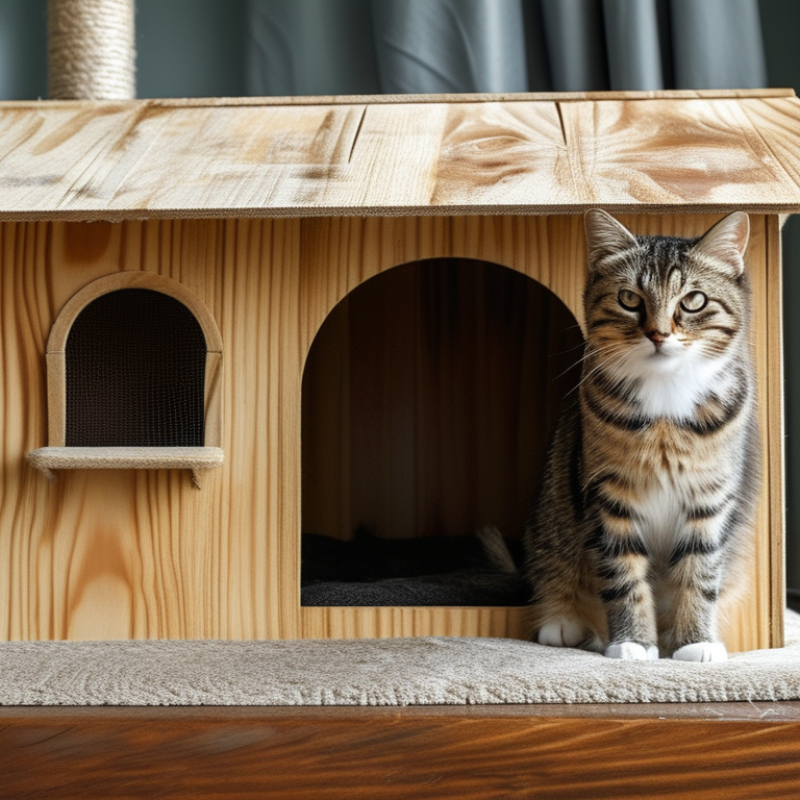
Why is My Cat Avoiding the Pet House? Understanding Feline Behavior
Cats are complex creatures with unique preferences and behaviors. If your cat is avoiding their pet house, it might be due to a few underlying reasons. For instance, cats are territorial animals. They may not feel safe in a new space, especially if it’s not adequately familiar. The location of the pet house can also play a significant role. If it’s in a high-traffic area or too close to loud noises, your cat might avoid it.
Another reason could be the size and design of the house. A cramped or poorly designed pet house can deter them from using it. Cats desire comfort and security. If your pet house does not offer these, your cat might choose to sleep elsewhere. Consider adding familiar items like a favorite blanket or toys to entice them. Be observant. Your cat’s body language can reveal their comfort level and preferences. Each cat is unique, and understanding them requires patience.
Feline behavior can be unpredictable. Cats may dislike the material of the house or the smell. They are sensitive to scents and may avoid areas that smell unfamiliar or unpleasant. Keep an eye on their habits. Sometimes, the reason might not be anything obvious. It could be a passing phase or a distinct, yet subtle preference. Ultimately, respecting their choices can strengthen your bond.
Inadequate Size: The Impact of Space on Cat Comfort
Cats are particular about their environments. The size of a pet house can greatly impact a cat's willingness to use it. If the space feels cramped, your cat may avoid it. An ideal pet house should allow the cat to stand, turn around, and lie down comfortably. If it’s too small, your cat might feel trapped. Watch for signs of discomfort when they explore their space.
A cat's natural instincts drive them to seek safe, snug spots. A pet house that doesn't provide adequate space may not fulfill this need. If your cat can't stretch out or find a cozy corner, it’s unlikely they’ll see it as a sanctuary. Some may prefer larger spaces where they can see around them. Others could feel anxious in tight quarters. It’s important to observe your cat's behavior to determine their comfort level.
Reflecting on their preferences can guide you in creating a suitable environment. Consider trying different sizes or styles. A fabric that feels familiar might help, or an open structure might invite exploration. Each cat has unique needs. What works for one might not suit another. Pay attention to your cat’s reactions; they can be your best guide.
Location Matters: The Importance of Pet House Placement
When it comes to a cat's refusal to use a pet house,
location plays a crucial role.
Cats are creatures of habit. They often prefer safe, quiet spots away from high traffic areas.
According to a study by the Journal of Feline Medicine and Surgery, about
70% of cats prefer sheltered spaces where they can observe their surroundings.
This means that placing a pet house in a noisy room may deter your cat from using it.
Consider the conditions where you place the pet house. A poorly lit area can feel uninviting.
Cats typically seek out bright places for their daytime naps but may want darker spots at night.
Research highlights that 60% of cat owners report their pets avoiding shelters that lack adequate light.
Additionally, proximity to food and litter boxes can influence their choice.
Cats often prefer to keep these areas separate.
A strategic placement can significantly affect their willingness to use the pet house.
Reflecting on these factors is essential. Your cat’s needs can change over time.
An area that seemed suitable last month may not be preferred anymore.
Monitor your cat's behavior closely.
Adjusting the pet house's location may encourage your cat to explore and use the house.
Understanding their preferences is key to ensuring their comfort and security.
Material Matters: How Texture and Warmth Affect Cat Acceptance
Texture and warmth are crucial when it comes to a cat's acceptance of a pet house. According to a study by animal behaviorists, a cat’s comfort relies heavily on the materials used in their environment. Soft, warm textures tend to attract cats, while rough or unfamiliar materials can lead to rejection. For instance, faux fur or padded fabrics can provide a sense of security and coziness that most cats crave.
Warmth also plays a significant role in making a pet house appealing. The same study indicated that cats are inclined to seek out warmer spots, particularly during colder months. It’s been observed that cats prefer spaces that retain heat, often curling up in sunlit areas. A pet house lacking insulation or warmth may feel uninviting, causing cats to look for alternative sleeping arrangements.
Additionally, the size of the house matters. A cramped space can trigger stress responses in cats. They often need room to stretch and feel secure. Therefore, it’s important to consider how both texture and warmth influence a cat's willingness to use a pet house. Observing your cat's preferences can reveal much about their needs and help create a more inviting environment.
Lack of Privacy: The Need for Safe Spaces in a Cat’s Environment
Cats are naturally inclined to seek out safe spaces. A recent study shows that about 70% of cats prefer hiding spots for resting. This behavior is rooted in their instinctive need for privacy and security. A lack of a designated safe space can lead to stress. Cats may refuse to use a pet house if it feels exposed or vulnerable.
Providing a secluded area can enhance a cat’s sense of safety. Use blankets or cushions to create cozy spots. Ensure these locations are quiet and away from foot traffic. Since cats are sensitive to their environment, maintaining a calm atmosphere is crucial. Take note if your cat avoids a pet house. It might be too small, too open, or poorly located.
Consider these tips for setting up a better space. Place the pet house in a less busy area. Cats prefer spots that offer a view but still have a hidden entrance. Also, observe your cat's behavior. If they only feel safe when high up, consider cat trees or shelves. Tracking your cat’s preferences can lead to more comfortable choices. Your contributions to their environment can greatly enhance their well-being.
Conclusion
Understanding why your cat refuses to use a pet house can be crucial for enhancing their comfort and well-being. One primary reason could be inadequate size; cats need a space that feels comfortable and spacious for them. Additionally, the placement of the pet house significantly impacts its acceptance. Cats are sensitive to their environment, and a location that lacks privacy or feels exposed can deter them from using the house.
Another factor to consider is the material of the pet house. Cats often prefer specific textures and levels of warmth that mimic their natural instincts for comfort. Lastly, the need for privacy is essential—cats seek safe spaces to retreat and feel secure. By addressing these elements, you can better understand "why does my cat refuse to use a pet house" and create an inviting environment that encourages your feline friend to use it.

 Brisk Pet