How to Know What Temperature Is Safe for Pets in Cages?

Time:2026-09-08 Author:Sienna
0%

“What temperature is safe for pets in cages” cannot be answered with one universal number. Species, age, health, coat or feathers, humidity, ventilation, and cage placement all matter. A guinea pig may struggle in summer heat, while a tropical bird may become chilled near a drafty window.

The RSPCA advises keeping small animal housing away from direct sunlight, radiators, and cold drafts. The Merck Veterinary Manual also explains that temperature stress can worsen dehydration, respiratory problems, and other health conditions. For laboratory and clinical environments, the National Research Council recommends monitoring the animal’s actual housing environment, not relying only on the room thermostat.

Dr. Susan Clubb, an avian veterinarian, offers an important caution: “There is no single temperature that is safe for every bird.” The same principle applies to rabbits, hamsters, reptiles, and other caged companions. Watch the animal closely. A puffed-up bird, rapid breathing, wet fur, lethargy, or repeated attempts to escape the cage may signal discomfort.

Small details matter. A cage beside a sunny glass door can become dangerously hot within minutes. A metal enclosure on a tiled floor can feel much colder overnight. These examples are easy to overlook.

This guide will examine practical temperature ranges, warning signs, thermometer placement, and species-specific risks. Some recommendations remain imperfect because individual animals respond differently. Veterinary advice is essential when symptoms appear, especially for young, elderly, pregnant, or medically fragile pets.
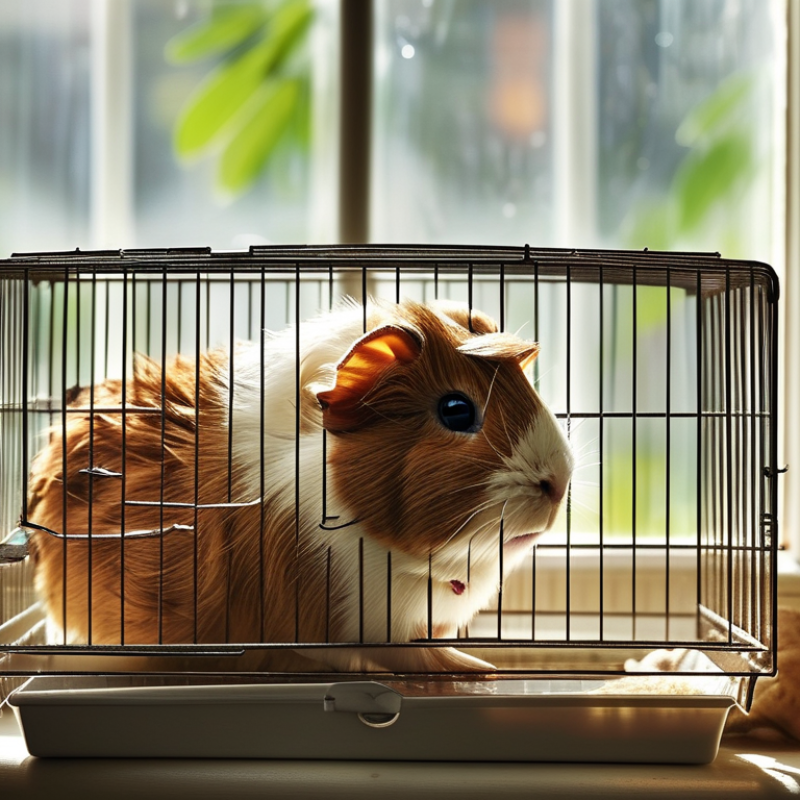
How to Know What Temperature Is Safe for Pets in Cages?

Define Species-Specific Safe Ranges: RSPCA Rabbit Guidance of 10–20°C

For rabbits, temperature safety should begin with a species-specific range. RSPCA rabbit guidance identifies 10–20°C as a suitable environmental range. This is more useful than applying one rule to every caged pet. Rabbits tolerate cool conditions better when they are dry, acclimated, and protected from drafts. However, sudden changes can still cause stress. A cage beside a sunny window may reach unsafe temperatures before the room feels warm.

Veterinary welfare guidance warns that heat becomes dangerous above about 25°C, especially in poorly ventilated housing. Rabbits may breathe rapidly, stretch out, or press their bodies against cool surfaces. These signs require immediate attention. Temperature alone is not enough. Humidity, airflow, bedding, body condition, and access to shade also matter. I would not treat 10°C as automatically safe for every rabbit. Young, elderly, ill, or recently moved animals may need closer monitoring.

Tips: Place two thermometers at rabbit height, not near the ceiling. Check readings morning and afternoon. Keep housing away from radiators and direct sunlight. Provide dry bedding, shade, and constant clean water. Never use ice directly against the body. If the rabbit becomes weak, confused, or breathes heavily, contact a qualified veterinarian promptly. My practical mistake was checking room temperature only; the cage corner was several degrees warmer. Temperature logs can reveal that hidden problem.

Apply USDA’s 45–85°F Facility Range Only Where the Animal Welfare Act Applies

How to Know What Temperature Is Safe for Pets in Cages?

The USDA’s 45–85°F facility range matters only where the Animal Welfare Act applies. It is not a universal comfort zone for every caged pet. The rule mainly addresses covered animals and regulated facilities, not every household animal. A reptile, bird, hamster, or rabbit may need a narrower and different range. Species, age, health, coat, humidity, and airflow all change the risk.

Measure the cage itself, not just the room. Place one thermometer near the sleeping area and another near the opposite side. A sunny window can raise one corner quickly. Cold floors can chill a cage overnight. Watch for trembling, rapid breathing, unusual stillness, panting, or repeated attempts to escape. These signs need prompt professional attention.

The 45–85°F range can guide facility management, but it should not replace species-specific veterinary advice. Safe housing also requires shade, ventilation, dry bedding, and a way to move away from heat. Never assume a heat source is harmless because the room feels comfortable. I have found temperature checks easy to postpone, especially when the animal looks normal. That is a weak habit. Readings can change after sunset, during transport, or when equipment fails. Keep a written log for several days, then question whether the cage stays stable when nobody is watching.

Measure Cage-Level Temperature, Humidity, Drafts, and Hot Spots

How to Know What Temperature Is Safe for Pets in Cages?

A cage can contain several microclimates. Room temperature alone is not enough. Measure temperature at the animal’s resting level, not beside the ceiling. Place one thermometer near the warm zone and another near the cooler retreat. Compare readings at different times of day. Direct sunlight can create a hot spot within minutes. Heating equipment may also warm one corner unevenly.

Humidity deserves equal attention. A small digital hygrometer helps reveal dry air or excess moisture. Check it near the cage floor, especially for reptiles, amphibians, and small mammals. Record morning and evening readings for several days. Sudden changes can matter more than one unusual number. Species care sheets and veterinary guidance should set the target range, since safe conditions differ widely.

Drafts are harder to notice. Hold a thin tissue near vents, windows, and cage doors. Movement indicates airflow, but it does not measure temperature. Watch for repeated hiding, open-mouth breathing, shivering, unusual stillness, or rapid breathing. These signs need prompt professional advice. One common mistake is trusting a single sensor. I would question any reading that seems perfect while the pet behaves poorly. Recheck sensor placement, batteries, and nearby heat sources. Small cages need frequent checks because conditions can shift quickly.

Build Reptile Temperature Gradients from Merck Veterinary Manual Guidance

Safe caged temperatures are not one fixed number. Reptiles need a thermal gradient, as described in the Merck Veterinary Manual. One side should support basking, while the opposite side allows cooling. This lets the animal regulate body temperature through movement. A digital probe thermometer should measure both zones. Surface temperature matters too. An infrared thermometer can reveal a dangerously hot stone that a wall thermometer misses.

Exact targets depend on species, age, health, and humidity. For example, many bearded dragons use basking surfaces near 38–43°C, while their cooler area may stay around 24–29°C. Leopard geckos often need a warmer hide near 28–32°C and a cooler retreat. These are working ranges, not universal rules. The Merck Veterinary Manual stresses species-specific husbandry, and veterinary guidance should override generic care charts. A 2023 report from the Association of Reptile and Amphibian Veterinarians also emphasizes environmental assessment during reptile health visits, including heat, lighting, and enclosure design.

Watch behavior closely. A reptile pressed against the warm wall may be cold, not relaxed. Open-mouth breathing, frantic pacing, or constant hiding may signal stress. I once trusted one central thermometer; it looked precise, but it missed the cage’s hottest corner. That mistake was avoidable. Check temperatures at several heights, record morning and evening readings, and adjust slowly. Small cages can overheat within minutes under strong lamps. Oversight remains the weakest part of many setups.

How to Know What Temperature Is Safe for Pets in Cages? — Build Reptile Temperature Gradients from Veterinary Guidance
Reptile Type Warm or Basking Zone Cool Zone Typical Night Range How to Build the Gradient Temperature-Safety Notes
Bearded dragon
(desert lizard)
38–43°C
(100–109°F)
basking surface
24–29°C
(75–84°F)
18–24°C
(64–75°F)
Place the heat source at one end and leave the opposite end unheated so the lizard can move freely between zones. Measure the surface directly under the basking area and the air temperature at both ends. Avoid heating the entire enclosure uniformly.
Leopard gecko
(arid gecko)
31–35°C
(88–95°F)
warm hide or surface
24–27°C
(75–81°F)
18–22°C
(64–72°F)
Provide a warm hide on one side, a cooler hide on the other side, and a humid hide where appropriate. Use a thermostat-controlled heat source. A temperature gradient supports normal digestion, activity, and behavioral thermoregulation.
Corn snake
(temperate snake)
28–30°C
(82–86°F)
warm end
22–25°C
(72–77°F)
18–22°C
(64–72°F)
Heat only one end of the enclosure and provide multiple hides so the snake can choose its preferred temperature. Monitor air temperature rather than relying only on a heat-source setting. The snake must be able to move away from the warm end.
Ball python
(tropical snake)
30–32°C
(86–90°F)
warm hide
24–27°C
(75–81°F)
21–24°C
(70–75°F)
Create a warm hide and a cool hide, with adequate ventilation and stable humidity suited to the species. Do not allow the enclosure to remain hot throughout its entire volume. Check for overheating, especially in small or poorly ventilated cages.
Green iguana
(tropical arboreal lizard)
32–35°C
(90–95°F)
basking area
25–29°C
(77–84°F)
22–25°C
(72–77°F)
Position the basking area high in the enclosure while keeping lower branches and floor areas cooler. Measure temperatures at the animal's basking height. Provide sufficient space for the iguana to retreat from the heat.
Aquatic turtle
(common warm-climate type)
29–32°C
(84–90°F)
basking surface
Water commonly maintained around
24–28°C (75–82°F)
Usually no major nighttime drop in water temperature; avoid sudden chilling. Provide a completely dry basking platform above the water and a water area with a stable temperature. Use separate thermometers for the basking surface and water. Water temperature requirements vary considerably by species and age.
General reptile rule Species-specific warm or basking target Noticeably cooler than the warm zone A modest, species-appropriate decrease Arrange heat from one side or one end, then verify the gradient at the animal's usable level with reliable thermometers. Never judge safety by the thermostat setting alone. Recheck temperatures after changing bulbs, heating pads, cage layout, or room temperature.
Important: These ranges are practical starting points for commonly kept reptiles, not universal limits. Temperature needs depend on species, age, health, enclosure size, humidity, season, and the animal's activity level. A reptile should always be able to move between warm and cool areas. If the animal shows lethargy, persistent hiding, open-mouth breathing, burns, loss of appetite, or other abnormal signs, consult a qualified reptile veterinarian.
Temperature-gradient principles are consistent with veterinary husbandry guidance: reptiles are ectothermic and require access to appropriately different thermal zones for behavioral thermoregulation. Confirm the final temperature range with a species-specific veterinary reference.

Recognize Heat or Cold Stress and Follow Veterinary Emergency Protocols

How to Know What Temperature Is Safe for Pets in Cages?

A safe cage temperature depends on the species, age, health, and cage location. There is no universal number. A room that feels comfortable to you may still stress a small animal. Use a reliable thermometer at the animal’s level, not beside a window or heating device. Heat stress may appear as rapid breathing, open-mouth breathing, drooling, weakness, or collapse. Birds can become quiet before they look seriously ill. Cold stress may cause shivering, tight huddling, pale skin, reduced movement, or unusual sleepiness. Reptiles may show different signs, so species-specific veterinary advice matters.

Tips: Check temperatures twice daily. Watch humidity too. Move the cage away from drafts and direct sunlight. If overheating occurs, place the cage in a cooler, shaded room and improve ventilation gently. Do not apply ice or force water. For cold stress, warm the surroundings gradually. Avoid placing the animal directly against a hot surface. These steps are temporary, not treatment.

Call a veterinarian or emergency clinic immediately when breathing becomes difficult, the pet cannot stand, responds poorly, or collapses. Transport the animal in a secure, ventilated carrier. Keep the temperature stable during travel. Do not delay because the pet seems better. Some animals hide illness, and that can mislead even careful owners. I would not rely on touch alone; measured conditions and professional guidance are safer.

FAQS

: What temperature range is generally suitable for rabbits?

: Rabbits often do well between 10–20°C when they are dry and protected from drafts. Not always. Young, elderly, ill, or recently moved rabbits may need closer monitoring.

When does heat become dangerous for rabbits?

Heat can become dangerous above about 25°C, especially in poorly ventilated cages. Rapid breathing, stretching, weakness, or pressing against cool surfaces are warning signs. Move the cage to a shaded, cooler room.

Is room temperature enough to judge cage safety?

No. Measure temperature at the rabbit’s resting height. A sunny cage corner may become several degrees warmer than the room. I once checked only the room temperature and missed this hidden hotspot.

Where should thermometers be placed?

Place two thermometers inside the enclosure. Put one near the warm area and one near the cooler retreat. Keep them away from windows, radiators, ceilings, and direct sunlight. Check readings in the morning and afternoon.

Does humidity affect temperature safety?

Yes. Humidity can worsen discomfort, especially in poorly ventilated housing. Use a small digital hygrometer near the cage floor. Record morning and evening readings for several days.

How can drafts and airflow be checked?

Hold a thin tissue near vents, windows, and cage doors. Movement suggests airflow, but it does not measure temperature. Repeated hiding, shivering, or unusual stillness may indicate discomfort. Recheck the cage location.

What are common signs of heat or cold stress?

Heat stress may cause rapid breathing, open-mouth breathing, drooling, weakness, or collapse. Cold stress may cause shivering, tight huddling, pale skin, or reduced movement. Some animals become quiet first. That can mislead owners.

What should I do during suspected temperature stress?

Move the cage gradually to a stable, shaded or warmer area. Improve ventilation gently during overheating. Never apply ice directly or place the animal against a hot surface. Do not force water. Contact a qualified veterinarian promptly if breathing is difficult, standing is impossible, or responsiveness decreases.

Conclusion

Knowing what temperature is safe for pets in cages requires considering the species, age, health, enclosure design, humidity, and airflow. A general rabbit guideline is approximately 10–20°C, while a broader facility range of 45–85°F may apply only in settings covered by specific animal-welfare regulations. These figures should not replace species-specific veterinary advice. Always measure conditions at cage level rather than relying on a room thermometer, and check for drafts, direct sunlight, poor ventilation, and hot or cold spots.

Reptiles usually need a carefully arranged temperature gradient, with warmer and cooler zones that support normal movement, digestion, and rest. Use reliable thermometers and monitor temperatures throughout the day, adjusting heating or cooling safely. Signs of heat or cold stress may include lethargy, rapid breathing, weakness, shivering, unusual posture, refusal to eat, or unresponsiveness. If these symptoms appear, move the animal away from the suspected temperature hazard, avoid sudden extreme changes, and contact a qualified veterinarian promptly.

Sienna

Sienna

Sienna is a skilled marketing professional with a deep expertise in our company’s core products and services. With a passion for innovation and detail, she plays a pivotal role in crafting insightful blog posts that not only highlight the unique features of our offerings but also provide valuable......