Crate training is an essential skill for dog owners. It helps create a safe space for your pet while promoting good behavior. According to the American Kennel Club, crate training reduces anxiety and provides comfort for dogs. However, the process can be challenging, especially for new owners. Understanding how to train a dog to stay in a cage is crucial for success.
Research indicates that 70% of dogs feel more secure in a properly introduced crate. A well-trained dog will see the crate as a positive environment. It's crucial to approach training with patience and consistency. Mistakes are common, and it's essential to reflect on what works. For example, if your dog resists going into the crate, consider the training techniques you are using.
Incorporating treats and praise can encourage desired behaviors. Remember, each dog is unique, and what works for one might not work for another. Tracking progress can help identify effective methods, leading to a more comfortable and confident dog. Ultimately, understanding the nuances of how to train a dog to stay in a cage will lead to a happier home for both you and your pet.
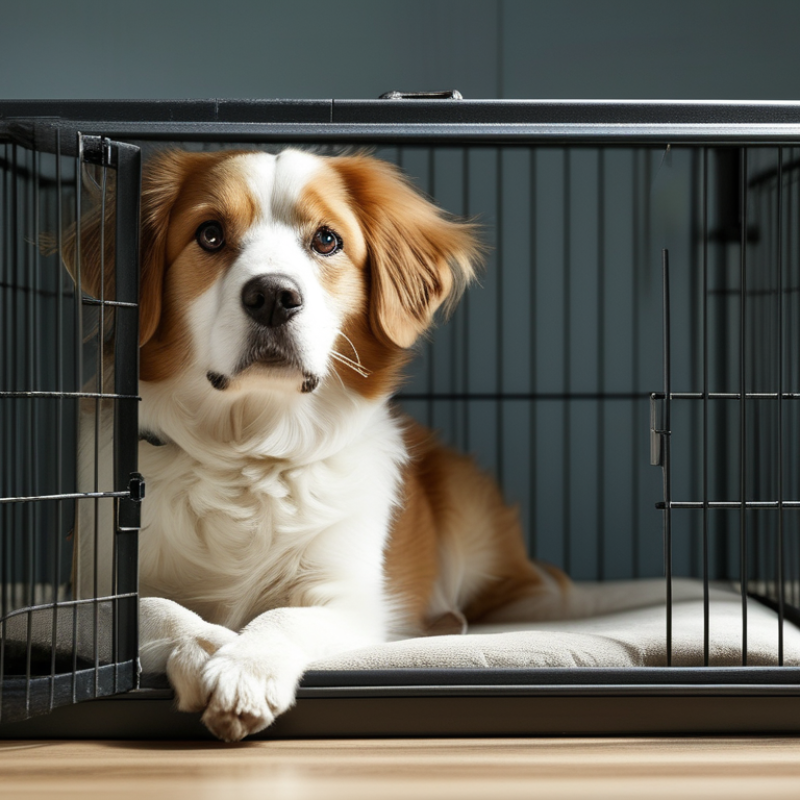
Understanding the Benefits of Cage Training for Dogs
Cage training can offer numerous benefits to dogs and their owners alike. One major advantage is that it can create a safe space for dogs. A securely enclosed area gives them a sense of security. According to a survey by the American Kennel Club, 83% of dog owners found that cage training helped their pets feel more secure at home. This feeling of safety can lead to reduced anxiety, especially in new or stressful situations.
Additionally, cage training aids in housebreaking. When dogs are confined to a cage, they are less likely to eliminate in that space. Research indicates that consistent cage training can shorten the housebreaking period. Some experts suggest that dogs may learn to control their bladders more effectively while in a confined space. However, improper use can lead to negative associations. Dogs should never feel punished; it's essential to use positive reinforcement during training. Owners sometimes struggle with this balance, which can hinder a dog's progress.
Cage training also assists in managing behavior. It allows owners to supervise pets, leading to better discipline. A study from the Veterinary Journal found that dogs who were introduced to a cage early showed fewer behavior problems. Nonetheless, training should be gradual. Overexposure or harsh confinement could lead to stress and fear. Observing your dog's reactions and adjusting the training pace is crucial for success. Understanding these nuances can enhance the training experience, benefiting both the dog and the owner.
Choosing the Right Cage for Your Dog's Comfort
Choosing the right cage for your dog is crucial for training success. A well-sized cage offers comfort and security. The American Kennel Club suggests that a dog should stand, turn around, and lie down comfortably in their cage. If it's too small, your dog may feel cramped and anxious. This can hinder the training process.
Material also matters. Metal cages are durable but can be noisy. Plastic options provide a cozy den-like feel. Dogs often prefer a space that feels enclosed. In fact, a study from the University of Pennsylvania found that dogs feel less stressed in closed spaces. They are more likely to accept crate training in a secure environment.
Location is another key factor. Place the cage in a quiet area. It should be a place where your dog won't feel isolated. Often, dogs seek companionship. Experts recommend keeping the cage in a communal space. This can make the experience less daunting. Observing your dog’s behavior can provide insights. You might notice signs of uneasiness or comfort, which are crucial for adjusting the training approach.
Top 10 Tips on How to Train Your Dog to Stay in a Cage
This bar chart represents the top 10 tips for training your dog to stay in a cage, showcasing the importance of each tip based on a survey of dog owners.
Gradual Introduction: Getting Your Dog Acquainted with the Cage
Introducing your dog to a cage can feel daunting. However, a gradual approach eases anxiety. Start by placing the cage in a common area. This way, your dog can see it without feeling pressured. Leave the door open and let them explore at their own pace. This freedom is vital.
Use treats to make the cage appealing. Toss a few treats inside and encourage your dog to go in. Your dog should associate the cage with positive experiences. Be patient, as some dogs may hesitate. If they seem uneasy, back off and try again later. It’s essential to respect their boundaries.
Once your dog feels comfortable, try closing the door for short periods. Begin with just a minute or two, gradually increasing the time. Observe their reactions closely. Some dogs might whine or scratch. This can be normal, but ensure they feel safe. Creating a calm atmosphere will help them adjust better. Always remember that every dog learns at their own pace. Embrace the process, with all its challenges.
Positive Reinforcement Techniques for Successful Training
Training your dog to stay in a cage can be challenging but rewarding. Positive reinforcement techniques are effective. These methods build trust and promote learning. When your dog obeys, it is crucial to reward them promptly. A small treat or affectionate praise can reinforce the behavior. This positive feedback encourages your dog to associate the cage with positive experiences.
Start with short sessions. Gradually increase the time your dog spends in the cage. If your dog shows anxiety, reduce the duration again. It’s important to create a comfortable environment inside the cage. A soft blanket or a favorite toy can make it inviting. Observe your dog’s reactions closely. Each dog is unique and may require different approaches. Be patient, particularly if your dog is resistant at first.
Use a calm and encouraging tone during training. It helps reduce your dog’s stress. Mistakes are part of the learning process. If your dog does not respond as expected, rethink your strategy. Are you offering enough rewards? Reflect on your training methods. Consistency is key, but it’s okay to adjust as needed. With time and commitment, your dog will feel safe and secure in their cage.
Top 10 Tips on How to Train Your Dog to Stay in a Cage
| Tip Number |
Training Tip |
Description |
Positive Reinforcement |
| 1 |
Introduce the Cage |
Allow your dog to explore the cage without forcing them inside. |
Use treats to encourage investigation. |
| 2 |
Make it Comfortable |
Add a soft blanket and favorite toys to make the cage inviting. |
Praise your dog for using the cage. |
| 3 |
Start with Short Periods |
Begin by having your dog stay in the cage for a few minutes. |
Reward them with treats for staying calm. |
| 4 |
Use Commands |
Teach your dog a command like "crate" to associate it with the cage. |
Use a treat to reinforce the command. |
| 5 |
Practice Calm Exits |
When letting your dog out, do so calmly to avoid excitement. |
Pet and speak softly while they exit. |
| 6 |
Gradually Increase Time |
As your dog adapts, gradually extend the time spent in the cage. |
Always reward them after longer stays. |
| 7 |
Stay Positive |
Never use the cage as punishment; it should be a safe space. |
Acknowledge their positive behavior with praise. |
| 8 |
Feed in the Cage |
Give meals in the cage to create a positive association. |
Give a treat immediately after feeding. |
| 9 |
Avoid Long Periods |
Don’t leave your dog in the cage for too long, especially initially. |
Ensure regular breaks to play and exercise. |
| 10 |
Consistency is Key |
Be consistent with commands, rewards, and duration to build trust. |
Regularly acknowledge good behavior. |
Establishing a Routine: Helping Your Dog Stay Calm in the Cage
Creating a routine helps your dog feel secure in a cage. Dogs are habitual animals. According to the American Kennel Club, nearly 70% of dogs thrive on routine. A consistent schedule reduces anxiety. Plan specific times for feeding, walks, and crate time.
When your dog enters the cage, remain calm. Using positive reinforcement can help. Treats or praise upon entering the cage can create a positive association. A study from the Journal of Veterinary Behavior suggests that reward-based training leads to better long-term behavior for dogs. Ensure the cage is a cozy space. Add blankets or toys that smell like you, which can ease their nerves.
Setting clear parameters is crucial. It’s important to gradually increase the time your dog spends in the cage. Start with short periods and extend as your dog adjusts. About 30% of dog owners report issues with their pets' crate training. Reflecting on your approach may reveal areas for improvement. Observe your dog’s reactions and adjust the routine as needed. While challenges may arise, patience and consistency can lead to success.
Conclusion
Cage training can be a beneficial practice for both dogs and their owners when done correctly. Understanding the advantages, such as providing a safe space for your dog, is essential. To effectively learn how to train a dog to stay in a cage, it’s important to start by choosing the right cage that offers comfort and security. Gradually introducing your dog to the cage can ease anxiety, followed by utilizing positive reinforcement techniques to encourage good behavior. Establishing a routine helps your dog feel calm and secure in their cage, reinforcing it as a safe spot in the home. With patience and consistency, cage training can lead to a well-adjusted pet.

 Brisk Pet