How to Use Pet Cages for Potty Training in 2026?

Time:2026-09-23 Author:Sophia
0%

How to Use Pet Cages for Potty Training in 2026? begins with a practical question: can cages help with potty training pets? The answer is often yes, but only when the cage feels safe, temporary, and predictable. The American Pet Products Association’s 2023–2024 National Pet Owners Survey reported that 66% of U.S. households owned a pet. This large population makes humane, evidence-informed training especially important. A cage is not a toilet-training shortcut. It is a management tool that supports a puppy’s natural desire to keep its sleeping area clean.

Animal behavior scientist Dr. Zazie Todd offers a useful welfare reminder: “A crate should be a safe place, not a place of punishment.” That principle shapes this guide. Choose a cage that allows standing, turning, and comfortable stretching. Add a washable mat, then take the pet outside after sleeping, eating, drinking, or active play. Reward success immediately, while the behavior is still fresh. Keep sessions brief. Puppies may need frequent breaks, sometimes every 30 to 60 minutes when awake. Adult dogs usually manage longer, but individual differences matter.

The RSPCA warns against using crates for excessive periods, and that caution deserves attention. A cage can prevent accidents, but it cannot replace supervision, exercise, or veterinary advice. Some pets become calmer. Others become distressed. Watch the details: frantic scratching, heavy panting, drooling, or repeated vocalizing. Adjust the plan when those signs appear. Training is rarely perfectly linear. A missed accident is information, not failure. The goal is reliable habits, not silent confinement.
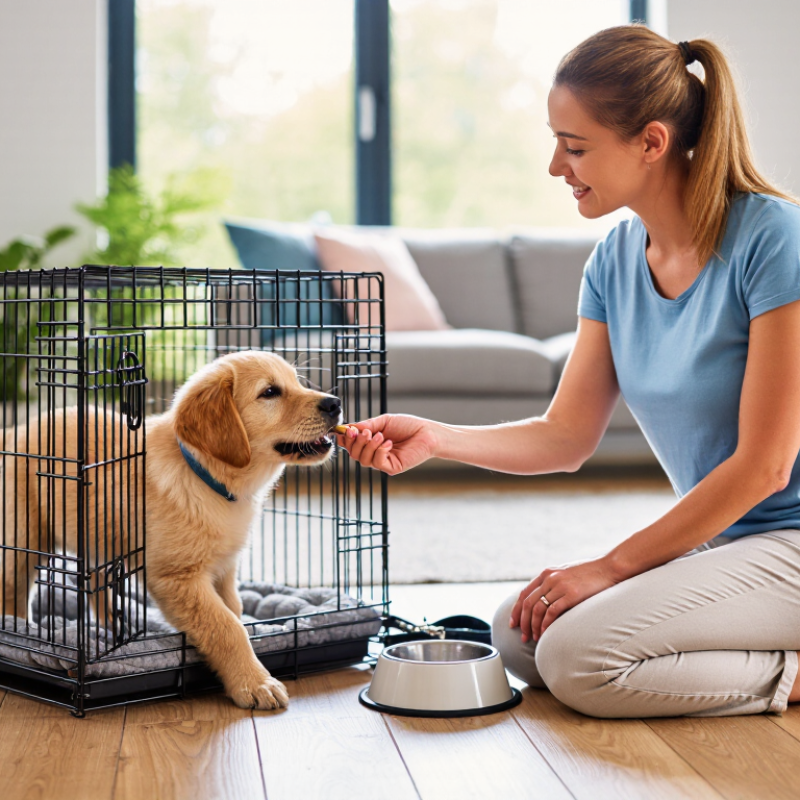
How to Use Pet Cages for Potty Training in 2026?

Choose a crate using RSPCA’s space standard: stand, turn, lie down

How to Use Pet Cages for Potty Training in 2026?

A crate should support learning, not restrict movement. Follow the RSPCA’s space standard: your dog must stand, turn around, and lie down comfortably. Measure from the nose to the tail base, then add room for natural movement. Do not choose a crate only because it fits your home. A tight cage may cause stress and accidents. An oversized cage may let a puppy sleep away from its toilet area.

The 2024 American Pet Products Association National Pet Owners Survey estimated 65.1 million U.S. households owned a dog. That figure shows how widely crate training is used, but popularity does not prove correct use. Place the crate near family activity, with washable bedding and safe ventilation. Take the puppy outside after waking, eating, playing, and confinement. Reward outdoor toileting immediately. Keep rewards calm and specific.

Never use the crate for punishment. Start with several minutes, then extend time gradually. Puppies still need frequent toilet breaks, sometimes every one to two hours. Veterinary guidance generally supports reward-based training because fear can weaken learning and welfare. I would rethink any schedule that produces repeated accidents or whining. The plan may be too ambitious. Watch posture, breathing, and willingness to enter. A dog that refuses the crate may need a slower introduction, a better location, or professional behavioural advice.

Set potty intervals with AKC’s age-in-months-plus-one guideline

A pet cage can support potty training when it feels like a quiet bedroom, not a punishment box.

Choose a size that allows your puppy to stand, turn, and lie down comfortably. Too much extra space may encourage accidents in one corner. Add a washable mat, but avoid thick bedding during early training.

A practical schedule uses the age-in-months-plus-one guideline.

A three-month-old puppy may hold urine for about four hours during the day. A five-month-old may manage roughly six hours, although this is only an estimate. Take the puppy outside after waking, eating, drinking, playing, and leaving the cage. Set a timer before the expected limit. Young puppies need frequent breaks.

Watch the puppy, not only the clock.

Restlessness, sniffing, circling, or soft whining can signal an urgent need. Carry the puppy outside if accidents happen near the cage. Praise calmly after elimination in the correct place.

Never punish a mistake; fear can make training slower. Clean accidents thoroughly with an enzyme-based cleaner, because faint odors may invite repeat marking.

The guideline is useful, but puppies vary.

My own schedule would need adjustment after illness, unusual water intake, or an exciting play session. Overnight control may develop later. If accidents remain frequent despite consistent routines, a veterinary professional should check for possible health concerns.

Introduce the crate using AVSAB’s reward-based training principles

A pet cage can support potty training when it feels safe, predictable, and temporary. Veterinary behavior guidance recommends reward-based training, not force or fear. Place the cage in a quiet area near daily family activity. Add a washable mat and one safe chew. Leave the door open at first. Toss small treats inside and let your pet choose whether to enter.

Keep sessions brief. Reward every calm step, including looking at the cage, stepping inside, and resting near the entrance. Feed meals beside the cage, then gradually move the bowl farther inside. Close the door for a few seconds while your pet eats. Open it before whining begins. Increase time slowly. Go too fast, and trust may weaken.

Take your pet outside after waking, eating, playing, and drinking. Young animals need frequent opportunities. When they eliminate outdoors, reward them immediately with quiet praise and a treat. Accidents require cleaning, not punishment. Never use the cage as revenge. Watch for panting, frantic scratching, or repeated escape attempts. These signs mean the plan needs adjustment.

I once moved too quickly with a nervous animal, and progress stalled for several days. That mistake mattered. If accidents continue or distress seems intense, ask a veterinarian or qualified behavior professional to check for medical and emotional causes.

Extend confinement gradually in 5–10-minute steps after success

How to Use Pet Cages for Potty Training in 2026?

A pet cage should feel like a quiet bedroom, not a punishment box. Choose enough space for your pet to stand, turn, and lie down comfortably. Remove soft bedding if your puppy repeatedly wets it. Take the pet outside after waking, eating, drinking, and active play. Wait calmly in the same toilet area. Praise immediately after successful elimination.

Begin with a short confinement period, such as 10 minutes after a toilet break. If the pet stays clean and relaxed, extend the next session by only 5–10 minutes. Watch for pacing, whining, circling, or sudden sniffing. These signals may mean the interval is too long. Return outside without scolding. Small progress matters.

Keep a simple record of meals, water, accidents, and successful trips. It can reveal a useful pattern. However, schedules are not perfect. A young puppy, older pet, or anxious animal may need shorter intervals. I would rather repeat a 15-minute session than rush toward an hour. One mistake I often see is increasing cage time after one good attempt. That can create stress and more accidents. Clean indoor areas with an odor-removing pet-safe cleaner, because lingering smells may invite repeat marking. Never use the cage for extended isolation, and consult a veterinarian if accidents suddenly increase or appear painful.

How to Use Pet Cages for Potty Training in 2026? - Extend Confinement Gradually in 5–10-Minute Steps After Success

Training Stage Recommended Confinement Time When to Begin Success Criteria What to Do After Success Potty Break Plan Safety and Comfort Checks
1. Positive Cage Introduction 1–5 minutes Start when the pet willingly enters the cage and remains relaxed with the door open or briefly closed. Calm body language, no persistent scratching, whining, or attempts to escape. Offer quiet praise or a small appropriate reward. Repeat several short sessions during the day. Take the pet outside immediately after release, especially after eating, drinking, sleeping, or playing. Use a correctly sized cage: enough room to stand, turn around, lie down, and stretch comfortably, but not enough space to use one corner as a toilet.
2. First Closed-Door Sessions 5–10 minutes Begin after the pet remains relaxed during several open-door sessions. The pet stays settled and has no indoor accident during the session. Increase the next session by only 5 minutes after repeated successful attempts. Provide a potty opportunity before confinement and again as soon as the session ends. Keep the cage in a quiet area near household activity. Never use it as punishment.
3. Short Routine Practice 10–20 minutes Use after the pet has completed multiple 5–10-minute sessions calmly. The pet settles within a few minutes and remains clean and dry. Extend by 5–10 minutes, not by a large jump. If accidents or distress occur, return to the previous successful duration. Schedule breaks after waking, meals, active play, and before longer rest periods. Remove collars, harnesses, and other items that could catch on the cage. Provide safe bedding only if the pet does not chew or soil it.
4. Moderate Confinement 20–30 minutes Begin when the pet can remain relaxed and accident-free for at least 15–20 minutes. The pet rests, chews an approved item safely, or quietly observes the surroundings. Add another 5–10 minutes only after at least two or three successful sessions at the current duration. For puppies, use more frequent breaks than for healthy adult dogs. Individual size, age, health, and water intake affect timing. Check ventilation, room temperature, flooring, and access to fresh water when appropriate for the duration and animal.
5. Extended Practice 30–60 minutes Use only after the pet consistently remains calm and clean during shorter sessions. No repeated vocalizing, escape behavior, excessive panting, drooling, or elimination. Continue increasing in 5–10-minute steps. Keep some sessions shorter so the cage does not always predict a long absence. Give exercise and a potty opportunity before confinement. Avoid extending time simply because the pet is asleep. Stop and shorten the next session if the pet shows anxiety, overheating, gastrointestinal upset, or repeated accidents.
6. Real-Life Household Use Based on individual tolerance Begin when the pet is reliably house-trained and comfortable with the cage. The pet enters willingly, settles quickly, and remains comfortable throughout normal household routines. Maintain the longest successful duration rather than increasing indefinitely. Use supervised freedom as training improves. Plan breaks around the pet’s normal elimination pattern. Do not expect a young puppy to hold urine as long as a healthy adult dog. Never confine a pet for excessive periods, during a medical emergency, or when professional veterinary advice recommends another arrangement.
7. Regression Response Reduce by 10–20 minutes Use when an accident, distress signal, or sudden change in behavior occurs. The pet returns to calm, clean, and comfortable sessions at the shorter duration. Identify triggers such as schedule changes, illness, insufficient exercise, fear, or a cage-size problem before rebuilding gradually. Increase potty breaks temporarily and clean accidents with an enzymatic cleaner suitable for the floor surface. Sudden house-soiling, frequent urination, diarrhea, pain, or unusual thirst may require veterinary assessment.

Practical rule: Extend confinement only after success, using 5–10-minute increments. The cage should be a safe resting space, not a substitute for exercise, social interaction, supervision, or regular potty breaks.

Review welfare limits: provide breaks before the adult eight-hour maximum

How to Use Pet Cages for Potty Training in 2026?

A cage should support learning, not replace supervision. I place it near family activity, with enough room for standing, turning, and stretching. A washable mat can help, but avoid filling the space with absorbent bedding during early training. The goal is simple: most pets prefer not to soil their sleeping area.

Veterinary welfare guidance commonly treats eight hours as an adult maximum, not a daily target. Provide a toilet break well before that limit. Many adult dogs need a break after four to six hours, depending on size, health, water intake, and routine. Puppies, older animals, and pets with medical conditions need shorter periods. Some need hourly breaks.

Watch the individual animal. Restlessness, whining, circling, heavy panting, or scratching may signal discomfort rather than disobedience. Take the pet outside calmly, then reward elimination immediately. Never use the cage for punishment. I once assumed a quiet dog was comfortable, but it was simply exhausted and holding urine. That mistake changed my routine. A cage schedule should remain flexible, with exercise, social contact, and supervised freedom between rests. If accidents suddenly increase, consult a veterinarian instead of extending confinement. Eight hours is a ceiling. Not a training plan.

FAQS

How large should a crate be for a dog?

Your dog should stand, turn around, and lie down comfortably. Measure from the nose to the tail base. Add space for natural movement. A cramped crate may increase stress and accidents.

Can an oversized crate cause potty-training problems?

Yes. A puppy may sleep at one end and toilet at the other. Use a correctly sized crate, not the largest available option. Measure again as the puppy grows.

Where should I place the crate?

Place it near normal family activity. Your dog can rest while remaining socially connected. Provide safe ventilation and washable bedding. Avoid hot, isolated, or poorly ventilated areas.

When should I take a puppy outside?

Take the puppy out after waking, eating, playing, and crate time. Young puppies may need breaks every one to two hours. Reward outdoor toileting immediately. Keep your voice calm.

How long can a dog stay in a crate?

Eight hours is an adult ceiling, not a daily target. Many adults need a break after four to six hours. Puppies, older dogs, and unhealthy dogs need shorter periods. Some need hourly breaks.

What signs show that crating time is too long?

Watch for whining, circling, scratching, restlessness, or heavy panting. These signs may show discomfort, not stubbornness. Take the dog outside calmly. I once mistook quietness for comfort.

Should a crate ever be used as punishment?

No. The crate should support rest and learning. Punishment may create fear and resistance. Begin with several minutes, then extend time gradually. Some plans become too ambitious.

What should I do after repeated accidents?

Review the schedule, crate size, water intake, and toilet breaks. Do not simply extend confinement. Sudden accidents may indicate a health problem. Contact a veterinarian when the pattern changes.

Conclusion

Can cages help with potty training pets? When used thoughtfully, a properly sized cage can provide a calm, consistent space that supports healthy bathroom habits. Choose one large enough for the pet to stand comfortably, turn around, and lie down, but avoid excessive space that may encourage toileting in one corner. Establish bathroom breaks according to age, adding roughly one hour to the pet’s age in months as a starting point, while adjusting for individual needs, health, activity, and water intake.

Introduce the cage gradually with treats, praise, and other positive rewards so the pet views it as a safe resting area rather than a punishment. Begin with short sessions and extend confinement in five- to ten-minute steps only after the pet remains relaxed and successful. Always provide regular opportunities for exercise, interaction, and toileting, and never use the cage as a substitute for supervision or companionship. Adult pets may tolerate longer periods, but frequent breaks are still essential for comfort and welfare.

Sophia

Sophia

Sophia is a dedicated marketing professional with an exceptional depth of knowledge about her company's products and services. With a keen understanding of market trends and customer needs, she crafts insightful blog posts that not only inform but also engage readers, enriching the company’s online......