A food bowl can look ordinary to us and feel unsafe to a small animal. Your pet may eat readily outside the cage, then freeze when the same food appears inside. That contrast is worth observing, not dismissing. The question “why does my pet refuse to eat inside cage” has no single answer, because birds, rabbits, hamsters, and other caged pets have different needs. Cage position, noise, recent changes, food-bowl placement, and past unpleasant experiences may all matter. So can pain or illness.
The scale of pet ownership makes these concerns familiar, but broad surveys cannot explain one animal’s behavior. The American Pet Products Association’s 2025 National Pet Owners Survey reports that 94 million U.S. households own at least one pet. That figure covers many species and does not measure cage-feeding problems; it is context, not a diagnosis. Veterinary references such as the Merck Veterinary Manual treat appetite changes as a health concern, especially when they persist or appear with other symptoms. A half-eaten portion. Droppings that look different. A bird sitting fluffed up. Small clues matter. I can’t tell from one meal whether the cause is stress, setup, or sickness, and guessing too confidently would be a mistake. This guide explores practical observations and gentle adjustments while explaining when to contact a veterinarian familiar with your pet’s species.
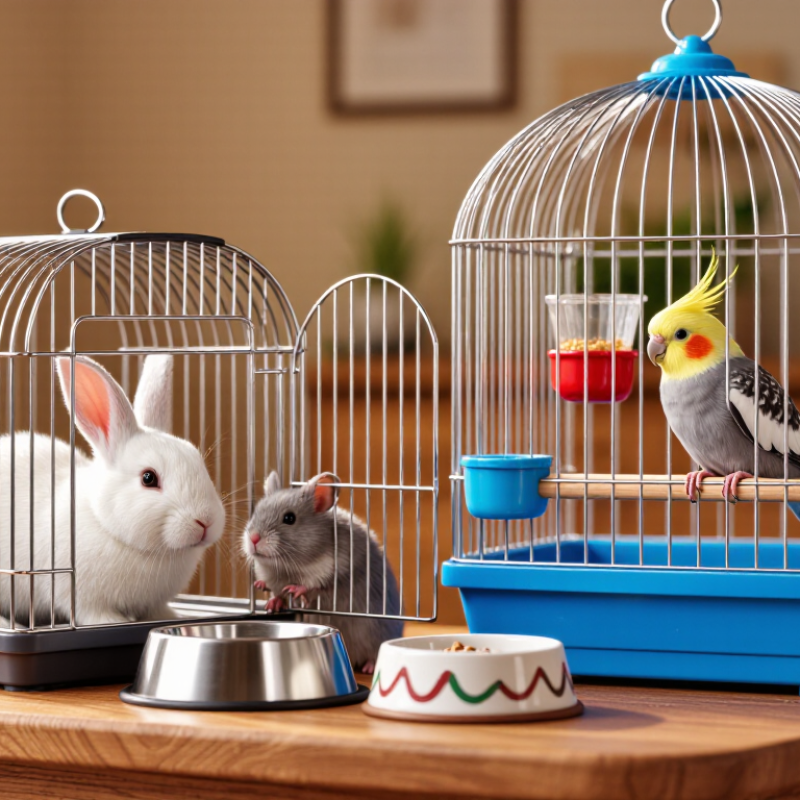
A pet may avoid food in its cage because the space feels exposed, noisy, or linked with stressful handling. A bowl near a door, litter tray, or water bottle can also make eating awkward. Notice whether your pet eats in a quieter spot; that small clue can help separate a location problem from possible illness. In a 2014 study in Applied Animal Behaviour Science, shelter cats provided with hiding boxes showed lower stress scores than cats without them. The finding suggests that a secure retreat can matter, though cats are not every species.
Tips: Put food in a stable, familiar bowl and keep it away from busy doors and sudden movement. Offer a little food while the cage door remains open, if safe for your pet. Avoid forcing them toward the bowl; it may increase fear. Track what they eat and drink, and note changes in droppings or behavior. I would not assume it is “just fussiness.” A sudden appetite loss, weakness, or reduced droppings deserves prompt veterinary advice; birds and small mammals can worsen quickly.
A pet that eats from your hand but ignores food inside its cage may be reacting to the setting, not the meal. PDSA’s 2024 PAW Report estimates that around 1.1 million rabbits live in the UK, highlighting how many households manage cage-based routines. But population figures do not explain an individual animal’s appetite. A cage beside a television, a rattling door, or a bowl placed near a litter tray can make feeding feel unsafe. Try a quieter location and keep food, water, and resting areas clean and predictable.
Small changes matter. A prey animal may freeze when people hover overhead; a bird may avoid a bowl beside a busy doorway. Strong cleaner smells, stale food, slippery bowls, or a recent move can also put a pet off. The RSPCA’s rabbit-care guidance recommends ample space and hiding places, which can help rabbits feel secure; a cramped enclosure may increase stress. That connection is plausible, not a diagnosis. I’d also check whether the food’s texture, shape, or container has changed.
Watch what happens at mealtime. Does your pet eat after the room quiets, or only when the cage door is open? Note the timing, food amount, and recent changes for several days. Merck Veterinary Manual warns that appetite loss can signal illness, and some small pets worsen quickly. If eating drops sharply, droppings change, or your pet seems weak, contact a veterinarian promptly. Waiting too long is easy to regret.
A pet that eats from your hand but avoids food inside the cage may be reacting to discomfort, not stubbornness. Dental pain can make chewing hurt; nausea, infection, or gut problems can also reduce appetite. Watch for dropped food, drooling, fewer droppings, unusual posture, or a sudden change in weight. Small clues matter. A new bowl or cage location may contribute, but assuming it is only stress can delay care.
Species matters. Merck Veterinary Manual guidance treats a rabbit’s refusal to eat for about 12 hours as urgent because digestive slowdown can become dangerous. Avian veterinary guidance also considers a 10% loss of body weight significant in birds, even when they still appear alert. Weigh small pets regularly on a gram scale and record food intake, droppings, and weight; these details help a veterinarian assess what changed. If your pet is eating less, losing weight, or producing fewer droppings, contact an exotic-animal veterinarian promptly. Don’t force-feed or give human medicine without veterinary direction. The cage may be part of the story—but it may not be the cause.
| Possible Health Problem | How It May Affect Eating | Signs to Look For | What to Do |
|---|---|---|---|
| Dental or beak problems | Pain or difficulty chewing can make food less appealing or hard to eat. This is a concern for rabbits, guinea pigs, rodents, and birds. | Dropping food, chewing slowly, choosing only soft foods, drooling, or visible changes to the teeth or beak. | Arrange a prompt veterinary examination. Do not trim teeth or beaks yourself. |
| Digestive illness or pain | Nausea, abdominal discomfort, or other digestive problems may reduce appetite. In rabbits and guinea pigs, a marked drop in eating can become urgent. | Reduced or absent droppings, a hunched posture, a swollen-looking abdomen, or unusual quietness. | Contact a veterinarian promptly, especially if the pet stops eating or passing droppings. Do not wait to see whether it resolves on its own. |
| Respiratory illness | Nasal congestion or breathing difficulty can interfere with smelling food or eating comfortably. Birds may hide signs of illness until they are quite unwell. | Labored or noisy breathing, nasal discharge, repeated sneezing, or noticeable breathing movements. | Seek veterinary advice promptly. Breathing difficulty is an emergency and needs immediate veterinary care. |
| Infection, fever, or general illness | Many illnesses can cause tiredness and loss of appetite, even when food is familiar and accessible. | Low energy, fluffed-up feathers or coat, hiding more than usual, discharge, or a sudden change in normal behavior. | Contact a veterinarian for assessment. Avoid giving human medicines or leftover prescriptions. |
| Injury or mobility problems | Pain or weakness may make reaching a feeder, perching, or entering the cage uncomfortable. | Limping, reluctance to climb or perch, favoring a limb, or difficulty moving around the enclosure. | Make food and water easy to reach while arranging veterinary advice. Do not force movement or handling if it causes pain. |
| Stress or a cage-related change | A new cage layout, noisy surroundings, or an uncomfortable feeding location may discourage eating in that spot. Stress can also accompany illness, so it should not be assumed to be the only cause. | Eating only when the cage is quiet, avoiding a particular feeder, or showing a change after a move or routine change. | Keep the environment calm and familiar, check that the feeder is clean and easy to access, and monitor food intake and droppings. Seek veterinary advice if the change persists or other signs appear. |
| Age-related or chronic health problems | Ongoing pain, reduced smell, or other chronic conditions can gradually change appetite and food preferences. | Slow weight loss, eating less over time, difficulty reaching food, or a lasting change in preferred foods. | Book a veterinary check-up and track food intake and weight if it can be done safely. Do not make major diet changes without species-appropriate advice. |
| When to seek urgent care | A sudden refusal to eat can be serious, particularly in small animals and birds, which may deteriorate quickly. | Difficulty breathing, collapse, severe weakness, bleeding, repeated vomiting, or a rabbit or guinea pig that stops eating or producing droppings. | Contact an emergency veterinarian immediately. For any persistent or unexplained appetite change, contact a veterinarian promptly and provide the pet’s species, age, symptoms, and when it last ate. |
A pet may refuse food inside its cage because the space feels exposed, noisy, or unfamiliar. Watch what happens before mealtime: does it freeze when someone walks past, or eat readily when the room is quiet? These details can help distinguish discomfort from a simple preference. Keep the cage in a calm area, away from loud appliances and busy walkways, while maintaining comfortable light and temperature. Small changes matter.
Make the feeding spot predictable. Place a clean, stable bowl where your pet can reach it without squeezing past toys or perches. Offer familiar food at consistent times, and avoid hovering or repeatedly moving the bowl. You can sit nearby at a comfortable distance, then gradually give your pet more privacy. Be patient. A few calm minutes may help more than coaxing.
If your pet eats comfortably outside the cage, try placing a small portion near the cage entrance, then move it slightly farther in over several days. Never withhold food to force the change, and check that the food suits your pet’s species and age. It is tempting to treat every missed meal as stubbornness, but that assumption can be wrong. A sudden appetite change, weight loss, or unusual droppings calls for prompt advice from a veterinarian familiar with your pet.
A pet refusing food inside the cage may be reacting to noise, a new bowl, or a recent change in routine. But a sudden drop in appetite can also signal pain or illness. Note whether your pet eats elsewhere, drinks normally, and passes usual stools. If your pet is eating very little or nothing, contact a veterinarian promptly. Birds, rabbits, and guinea pigs can become unwell quickly when they stop eating, so do not wait a full day for reassurance.
Seek urgent veterinary care for weakness, breathing trouble, repeated vomiting, a swollen or painful belly, or a marked change in droppings. For rabbits and other small herbivores, very few or no droppings alongside poor appetite needs prompt attention. A veterinarian can assess dental problems, digestive illness, stress, and other causes; guessing at home can delay needed care. The right timing depends on the species and health history, so explain both.
Tips: Write down when the appetite changed, what food was offered, and how much was eaten. A short video of your pet near the cage may help. Keep familiar food and water available, but do not force-feed unless a veterinarian instructs you. It is easy to blame the cage too soon.
The space may feel exposed, noisy, or linked with stressful handling. A bowl beside a busy door, litter tray, or water bottle may be awkward.
Notice whether your pet eats in a quieter spot. Track food, water, droppings, and behavior. One clue is not a diagnosis.
Try a stable, familiar bowl away from doors and sudden movement. If safe, offer a little food with the cage door open. Do not push your pet toward the bowl.
No. Contact a veterinarian promptly if your pet eats very little or nothing. Birds, rabbits, and guinea pigs can become unwell quickly.
Seek urgent care for weakness, breathing trouble, repeated vomiting, a swollen or painful belly, or a marked change in droppings. Very few droppings with poor appetite in a rabbit also needs prompt attention.
Note when the appetite changed, what food you offered, and how much was eaten. Include drinking, droppings, and behavior. A short video may help.
Keep familiar food and water available, but do not force-feed unless a veterinarian instructs you. That detail matters.
They may assess dental problems, digestive illness, stress, or other causes. Timing depends on the pet’s species and health history. I might blame the cage too quickly.
A pet’s refusal to eat inside a cage can have several causes, and understanding the reason is the first step toward helping. The cage may feel noisy, cramped, unfamiliar, or unsafe, while changes in routine, stress, competition with other pets, or an unpleasant feeding experience can also affect appetite. If your pet will eat elsewhere but avoids the cage, its surroundings or associations with that space may be contributing. Observing when and where your pet eats can help answer the question, “why does my pet refuse to eat inside cage?”
Make cage feeding more comfortable by keeping the area calm, clean, and familiar, placing food in an accessible spot, and allowing your pet to approach without pressure. Offer a consistent routine and notice whether appetite or behavior changes. Dental discomfort, digestive problems, pain, or other health concerns can also make eating difficult, so a persistent loss of appetite, unusual symptoms, or sudden changes should be discussed with a veterinarian.

Brisk Pet