Brisk Pet
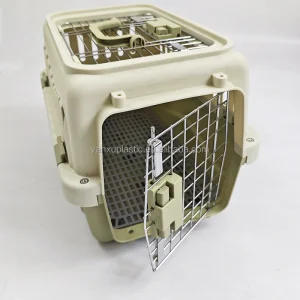
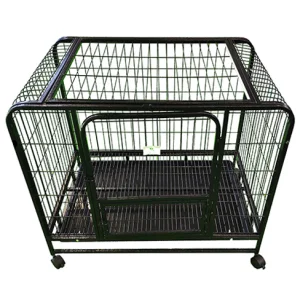
Thermal Dynamics & Biosecurity: Addressing Houston’s Unique Industrial Demands
The Greater Houston Metropolitan Area, representing the energy, shipping, and medical epicenters of the Gulf Coast, presents severe challenges for biological and veterinary transport. In Climate Zone 2A (Hot-Humid), seasonal ambient temperatures regularly exceed 95°F (35°C) with relative humidity levels hovering above 80%. Under these conditions, the metabolic heat load of enclosed animals creates microclimatic zones within cages that can trigger heat stress, respiratory distress, and immune suppression.
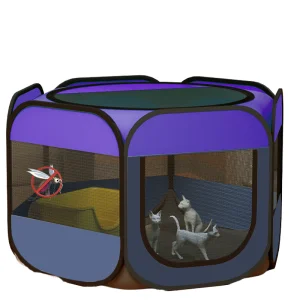
For veterinary clinics, animal rescue operators, commercial breeders, and biosecurity labs operating near major logistics hubs like George Bush Intercontinental Airport (IAH) and the Port of Houston, traditional solid-walled or poorly aerated enclosures represent a critical failure point. Advanced ventilated breathable cage designs are not merely conveniences; they are functional biological lifelines. Our high-airflow, thermal-regulating designs mitigate heat retention by utilizing advanced aerodynamics, material science, and geometric optimization. This prevents air stagnation, rapidly dissipates carbon dioxide, and helps maintain the animal's natural core temperature even under adverse environmental conditions.
Global Procurement Criteria for Industrial Animal Enclosures
Procurement professionals sourcing for veterinary networks, industrial agricultural projects, and commercial laboratories face intense pressure to balance operational cost, compliance, and material durability. When evaluating large-scale pet housing systems, key procurement vectors include:
- Structural Strength-to-Weight Ratio: Marine-grade aluminum (specifically 5000 and 6000 series alloys) provides high structural integrity while keeping shipping and handling weights low. This reduces operational fatigue for workers and saves transport fuel costs.
- Surface Treatment Compliance: Non-toxic, lead-free powder coating and anodization prevent heavy-metal exposure for sensitive animals. Coatings must resist degradation from acidic animal waste and aggressive hospital-grade sanitizing solutions.
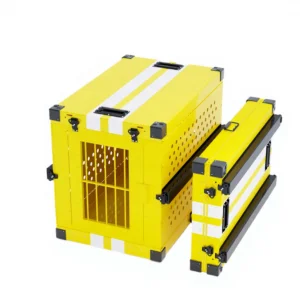
- Modular Assembly and Storage: Large inventories must fold or stack flat when not in use to optimize warehouse space in expensive suburban commercial real estate markets.
Aerodynamic Engineering: The Physics of Breathable Enclosures
Our manufacturing processes leverage computational fluid dynamics (CFD) modeling to analyze air-exchange rates within cages. Traditional cages often act as heat sinks, creating localized dead zones where exhaled CO2 pools near the cage floor.
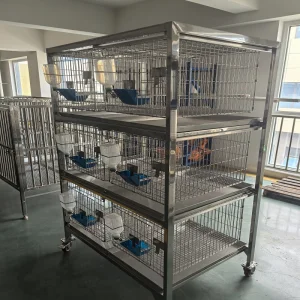
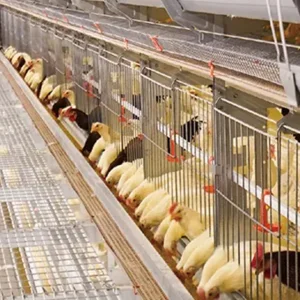
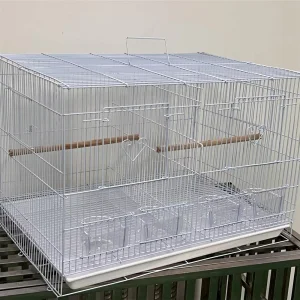
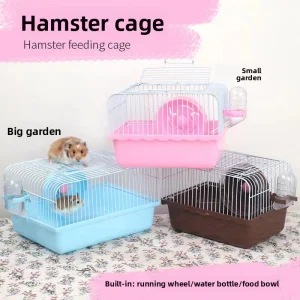
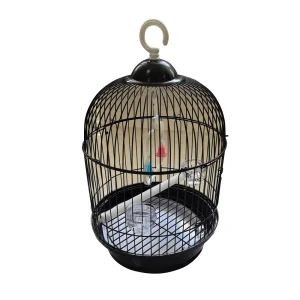
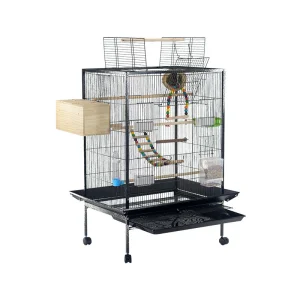
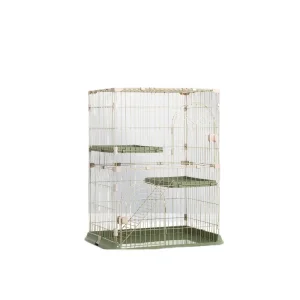
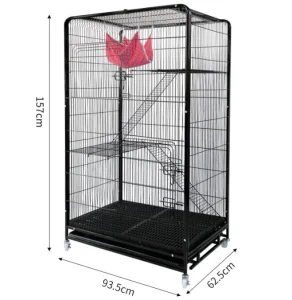
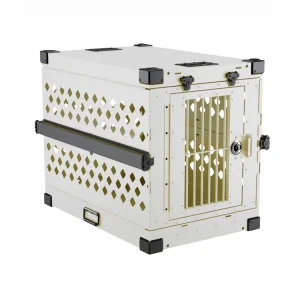
By designing cages with multi-directional ventilation slots, wire grid layouts, and perforated aluminum panels, we utilize natural convection currents. Warm air rises and escapes through the top vents, drawing cooler, oxygen-rich ambient air in through the lower front profiles. In closed transit situations, this passive system can be enhanced by integrated low-decibel exhaust fans, ensuring continuous volumetric air changes per hour (ACH) to protect animals from carbon dioxide poisoning and thermal distress.